
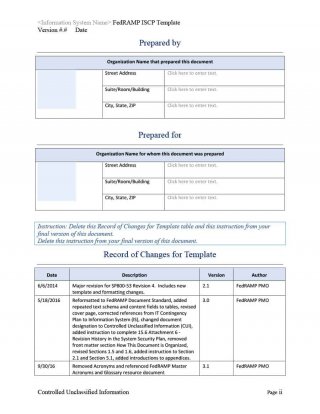
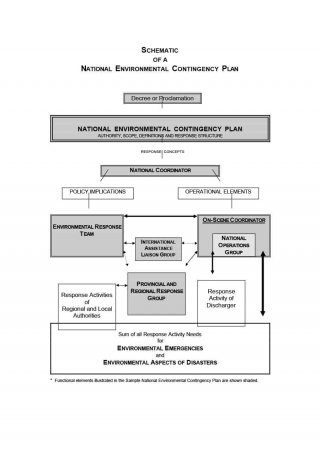
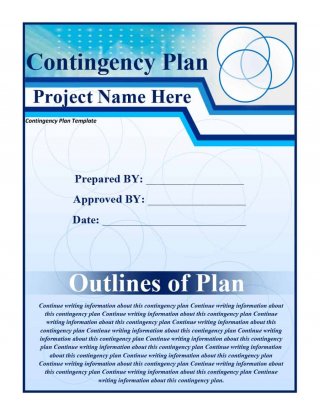
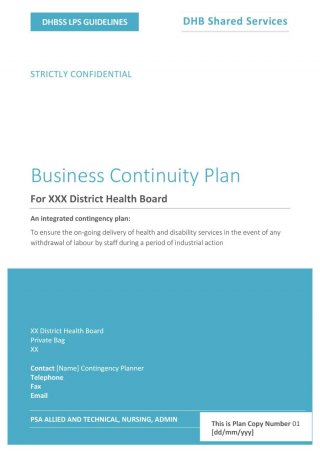
Contingency Plan Template can be downloaded here. A contingency plan is a plan created or designed to take an account of a feasible future circumstance or event. In other words, it is a plan devised for a result other than in the general anticipated plan. It is often utilized for the management of the risk, when an extraordinary risk and danger that would contain disastrous results. These plans are often developed by the businesses or governments.
You can also browse our full collection of free plan templates for more ready-to-use designs.
For instance, assume various employees or workers of an organization are moving together on an airplane that crashes, destroying all aboard. The organization could be extremely strained or even destroyed by such kind of a loss. For that reason, various organizations have processes to follow in the case of such kind of disaster or tragedy. The plan may involve as well standing policies to alleviate the potential impact of a disaster, like wanting workers to move separately or restricting the number of workers on any one airplane. We do hope you will like this Contingency Plan Template.
A contingency plan is a road map of a strategy or procedure which prepared by company in an unexpected situation. A contingency plan may prepared by company to manage any unwanted happening such as fire, death of an executive manager or robbery etc. A contingency plan is usually prepared for a negative event, but can also be prepared for an unexpected windfall such as a huge order of production.
Other name of contingency plan is “plan B”. Through the times of disaster in a business, contingency plans are often developed to explore and prepare for any possibility. A well prepared and an effective contingency plan identifies who is responsible for what in the face of disaster or unwanted situation. A best contingency plan in place enables faster reaction to unexpected events and may reduce the damage to revenues and profit of the company.
What a Good Contingency Plan Should Include
A useful contingency plan is specific rather than generic. At minimum it should identify the risks or trigger events being planned for, the early warning signs that indicate one of those events is unfolding, the chain of command and who is authorized to declare an emergency, step-by-step response actions for each scenario, the resources (people, equipment, backup systems, alternate facilities) needed to carry out those actions, communication procedures for notifying staff, customers, suppliers, and regulators, and a recovery timeline with clear responsibilities assigned to named roles rather than just departments. Many plans also include a section on how the plan itself will be tested and updated, since a contingency plan that is never rehearsed often fails when it is actually needed.
Who Needs a Contingency Plan, and When
Every organization that depends on people, technology, or physical facilities to operate benefits from having one. Small businesses use contingency plans to prepare for events like the sudden loss of a key employee, a supplier failure, or a natural disaster that closes a location. Larger companies and government agencies build more formal, multi-scenario plans covering IT outages, cybersecurity incidents, public health emergencies, and financial shocks. Project managers also build smaller-scale contingency plans into individual projects, so that a schedule slip or budget overrun has a pre-agreed response instead of a scramble. In general, the right time to write a contingency plan is well before you think you need one – trying to draft one during an actual crisis rarely produces a good result.
How to Customize This Template Step by Step
- Download the format that fits your workflow (Word or the zipped package) and open it in your editor.
- List the specific risks relevant to your organization – do not simply copy a generic list; think through what could actually disrupt your operations.
- For each risk, describe the trigger conditions that would activate the plan and who has the authority to make that call.
- Assign clear owners to each response action, using names or job titles rather than vague references like “the team.”
- Add contact information for internal staff, emergency services, insurers, and any outside vendors you would need to reach quickly.
- Write out the communication plan: who tells whom, in what order, and through what channel (phone tree, email, group chat).
- Set a review date and put it on the calendar – a contingency plan that is not revisited becomes outdated as the business changes.
Common Mistakes to Avoid
- Writing a plan so generic that nobody could actually follow it during a real event.
- Failing to assign specific people to specific actions, which causes confusion about who is responsible for what.
- Never testing or rehearsing the plan, so gaps only surface during an actual emergency.
- Leaving contact information and resource lists outdated after staff or vendors change.
- Treating the plan as a one-time document instead of something reviewed on a regular schedule.
Best Practices
Keep the plan short enough that someone under stress can actually use it – a 50-page document is far less useful in the moment than a clear checklist. Store copies both digitally and in print, and make sure they are accessible even if your main systems are down. Run periodic tabletop exercises where key staff walk through a scenario using the plan, and update it based on what those exercises reveal. Where possible, coordinate your contingency plan with related documents such as a business continuity plan or a disaster recovery plan, so the different documents do not contradict each other.
Frequently Asked Questions
What is the difference between a contingency plan and a business continuity plan?
A contingency plan is usually scenario-specific and focused on the immediate response to a single type of event, while a business continuity plan is broader and covers how the whole organization keeps operating across many types of disruption.
How often should a contingency plan be updated?
Most organizations review their plans at least once a year, and also after any major change in staff, facilities, or operations that would affect the response.
Do small businesses really need a formal contingency plan?
Yes. Small businesses often have less capacity to absorb a disruption than large companies, which makes having a clear, written plan even more valuable.
Who should be involved in writing the plan?
Ideally, representatives from every function that would be affected – operations, HR, IT, finance, and leadership – so the plan reflects real operational knowledge rather than one person’s assumptions.
Note: This template is a general starting point. For plans involving significant legal, financial, or HR exposure – such as workforce reductions, data breaches, or regulatory reporting obligations – it is worth having a qualified professional review the final plan for your specific situation.
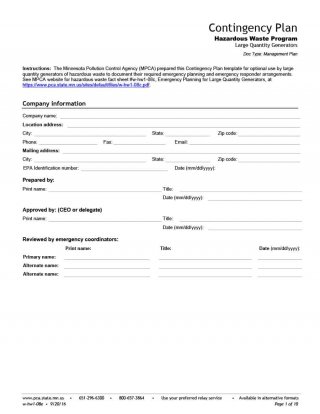
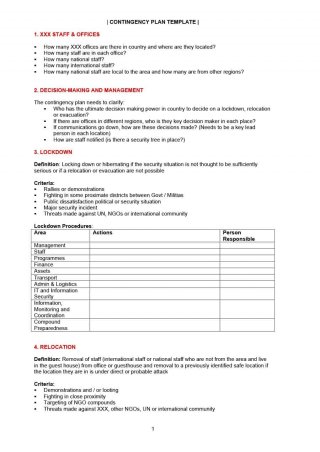
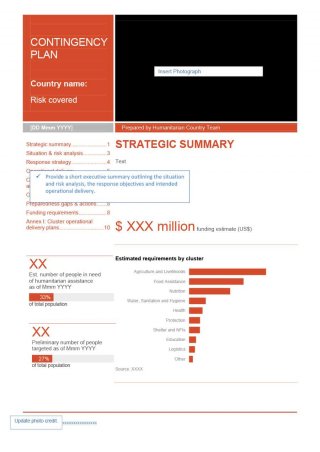
Download free Contingency Plan Templates:

Related templates you may find useful: free sales plan templates, free personal development plan templates and free action plan templates.