
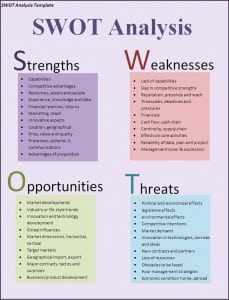
A SWOT analysis is the method used to evaluate the weakness, strength, opportunities and threats involved in the project. This SWOT Analysis Template is here to help you in making your own analysis easily The objective of SWOT analysis is to identify the internal and external factors that are helpful in completion of the project. The SWOT analysis helps a lot the project manager to find solutions to the problems and to eliminate the confusions of the people attached to the project. The purpose of SWOT analysis is to make feasibility report about the project. This SWOT analysis saves time and energy of the people working on the project. The objective of this analysis is to provide assistance to the project manager. The analysis shows outcomes of project started by an employer and reduces risk of failure. This analysis is important before starting the project and is based upon the previous accomplishments. Hopefully this SWOT Analysis Template will be helpful for you.
What Is a SWOT Analysis?
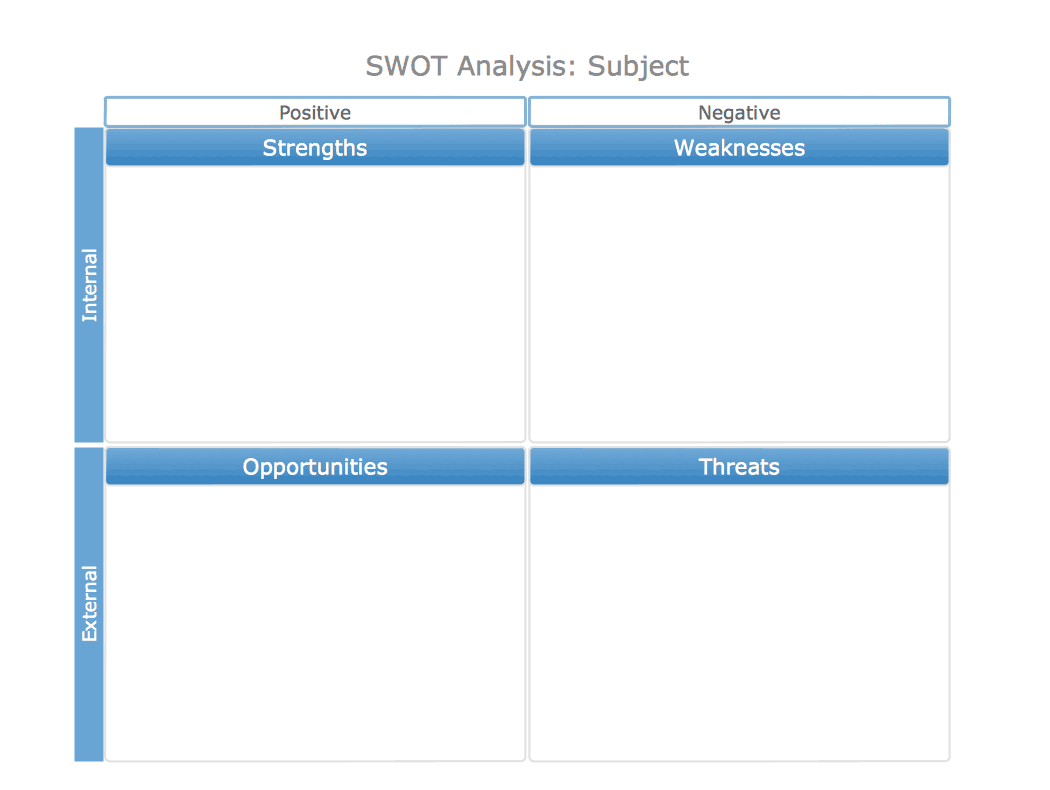
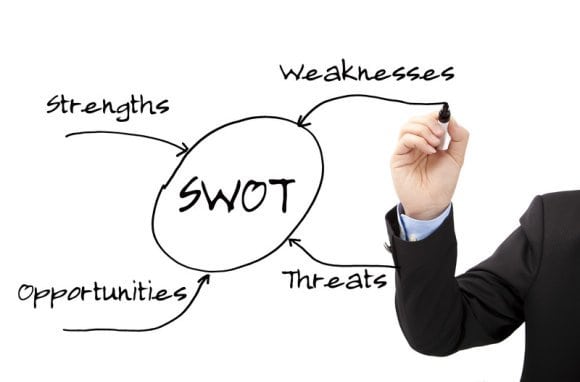
SWOT stands for Strengths, Weaknesses, Opportunities, and Threats. It is a simple planning framework that organizes information about a business, project, or idea into a four-quadrant grid so decision-makers can see the full picture at a glance. Strengths and Weaknesses are internal factors — things the organization controls, such as its team, budget, reputation, or processes. Opportunities and Threats are external factors — market trends, competitors, regulations, or economic conditions that the organization does not control but must plan around.
The purpose of a SWOT analysis is not just to list facts, but to connect them: strengths can be used to capture opportunities, weaknesses can be shored up before they become threats, and threats can sometimes be turned into opportunities with the right strategy. A good SWOT analysis becomes the foundation for a business plan, a marketing strategy, a product launch, or a personal career decision, because it forces a clear-eyed look at both what is working and what needs attention before any resources are committed.
Who Uses SWOT Analysis?
SWOT analysis is used far beyond the corporate boardroom. Business owners and executives use it before launching a new product, entering a new market, or setting an annual strategy. Marketing teams use it to evaluate a campaign or a brand’s position against competitors. Nonprofit organizations use it when applying for grants or planning a new program, since funders often expect to see this kind of self-assessment. Students and educators use SWOT templates for coursework in business and management classes because the format is easy to teach and easy to grade.
Individuals also use SWOT analysis for personal and career planning — for example, before a job change, a promotion request, or starting a freelance business, by treating themselves as the “organization” being analyzed. Consultants frequently open client engagements with a SWOT session because it gets everyone in the room aligned on the same facts before deeper strategy discussions begin. In every case, the appeal is the same: SWOT analysis needs no special software or training, just a clear template and an honest conversation.
The Four Elements of a SWOT Analysis, Explained
Strengths are the internal advantages that give an organization an edge — things like a skilled team, strong cash reserves, proprietary technology, a loyal customer base, or an efficient supply chain. A good strengths entry names something specific and provable, such as “average customer retention of 92% over three years,” rather than a vague claim like “great customer service.”
Weaknesses are the internal gaps that hold the organization back, such as outdated equipment, high staff turnover, thin profit margins, or a narrow product line. Listing a weakness honestly, even when it is uncomfortable, is what makes the rest of the analysis useful — a SWOT analysis that only lists strengths is not an analysis, it is a marketing brochure.
Opportunities are external conditions the organization could take advantage of: a competitor exiting the market, a new technology lowering costs, a shift in customer preferences, or a new regulation that favors the business’s model. Opportunities should be things that are plausible in the near term, not wishful thinking.
Threats are external risks that could damage the organization: new competitors, rising material costs, changing regulations, or a shrinking customer segment. Naming a threat clearly, with its likely impact, is what allows a team to build a contingency plan instead of being caught off guard.
Download SWOT Analysis Template:
 Click below to download this template

See More SWOT Analysis Templates Below
1. Businessballs

2. Creately
3. Businessnewsdaily

4. Whatmakesagoodleader
5. Articles.bplans

How to Conduct a SWOT Analysis Using These Templates
Start by downloading one of the templates above and gathering the right people in the room — a SWOT analysis done alone tends to reflect one person’s blind spots, while a small cross-functional group catches things an individual would miss. Follow these steps to fill it out well:
1. Define the scope. Decide exactly what is being analyzed — the whole company, one product line, a specific campaign, or a personal career move. A SWOT analysis with an unclear scope produces vague, unusable answers.
2. List strengths and weaknesses first. Work through internal factors while the scope is fresh in everyone’s mind: team skills, financial position, operations, brand reputation, and existing customer relationships all belong here.
3. List opportunities and threats. Shift attention outward to the market, competitors, technology, and regulatory environment. It helps to ask, for each strength, “does this create an opportunity?” and for each weakness, “could this become a threat?”
4. Prioritize each quadrant. Most SWOT sessions generate more entries than anyone can act on. Rank each item by impact and put the top three or four per quadrant at the top of the template rather than leaving a long, unordered list.
5. Turn the grid into decisions. A finished SWOT analysis is only useful once it feeds into an actual plan — see the action-plan section below for how to do that.
Common Mistakes to Avoid
Being too vague. Entries like “good team” or “strong brand” don’t give anyone enough to act on. Replace vague claims with specific, checkable statements, such as naming the metric, the product, or the process being described.
Confusing internal and external factors. A common error is listing a market trend as a “weakness” or a company skill as an “opportunity.” Strengths and weaknesses must be things the organization itself controls; opportunities and threats must come from outside it.
Treating the SWOT as a one-time exercise. Markets, competitors, and internal capabilities all change. A SWOT analysis that is never revisited becomes outdated within a year, especially in fast-moving industries.
Listing too many items per quadrant. Twenty bullet points under “opportunities” is not more useful than five — it’s harder to act on. Prioritizing is part of the analysis, not an optional extra step.
Skipping the follow-through. Many SWOT analyses are filled out carefully and then filed away. The value comes from what happens after the grid is complete, not from the grid itself.
Turning Your SWOT Analysis Into an Action Plan
Once the four quadrants are filled in, the real work is converting insight into action. A practical way to do this is to build a simple matrix that pairs quadrants against each other: use strengths to pursue opportunities (an “SO” strategy), use strengths to counter threats (“ST”), address weaknesses that block an opportunity (“WO”), and shore up weaknesses that make a threat dangerous (“WT”). Assign each resulting action an owner and a deadline — a SWOT analysis without owners and dates tends to stay a list of observations rather than becoming a plan.
Revisit the analysis on a set schedule, such as quarterly or at the start of a new project, rather than only when something goes wrong. Comparing a new SWOT analysis against the previous one is also a fast way to see whether past action items actually closed the gaps they were meant to close.
Frequently Asked Questions
What does SWOT stand for?
SWOT stands for Strengths, Weaknesses, Opportunities, and Threats — the four categories used to evaluate a business, project, or personal situation.
What is the difference between strengths/weaknesses and opportunities/threats?
Strengths and weaknesses are internal — factors the organization controls, like its team or finances. Opportunities and threats are external — market or environmental factors the organization must respond to but cannot directly control.
Can I use a SWOT analysis for a personal career decision?
Yes. Many people use a SWOT analysis before a job change, promotion request, or new business venture, treating their own skills and circumstances as the “organization” being analyzed.
How often should a SWOT analysis be updated?
Most organizations revisit their SWOT analysis quarterly or annually, and also whenever a major change occurs, such as a new competitor entering the market or a significant shift in the business itself.