

If you are looking for restaurant business plan templates, then you are at the right place. In this article, we have provided some useful and practical restaurant business plan templates for your convenience. Just like any other business, opening a restaurant also requires some planning. For that purpose, a restaurant business plan is written which lays out different important things like the owner of the restaurant, the location, the amount of capital investment required for the restaurant, the potential market, and many other things.
The plan made by an individual for the establishment of a restaurant is known as a restaurant business plan. The plan includes the investment required by the businessman for meeting the expenses and increment of revenue through sales. Before starting the business an entrepreneur has to locate the place in the commercial area and then hire a chef for making delicious foods. This article includes different restaurant business plan templates available in Microsoft Word format as well as PDF format.
The intention of an employer about the business must be based upon going concerned. The menu included in the restaurant business plan must be according to the taste of the customers. The plan includes a menu of foods with reasonable prices. The customers will be attracted to the restaurant in case of a good environment. The restaurant business plan includes the satisfaction of customers by providing them quality food.
What Is a Restaurant Business Plan and Why Does It Matter?
A restaurant business plan is a written document that maps out exactly how a restaurant will start, operate, and grow. It goes beyond describing a menu or a concept and instead covers the numbers, the market, and the day-to-day operating decisions that determine whether the business survives its first two years, which is historically when most independent restaurants struggle the most. Lenders, investors, and even commercial landlords treat the plan as proof that an owner has thought through the risks rather than relying on enthusiasm for food alone. Even a restaurant that is self-funded benefits from writing one, because the exercise of putting numbers on paper often reveals gaps in pricing, staffing, or cash flow before they turn into expensive mistakes after opening day.
Who Needs a Restaurant Business Plan?
These templates are useful in several different situations. A first-time restaurant owner can use one to organize a concept, from cuisine style and menu pricing to service format, into a single document that guides early decisions. Someone applying for an SBA loan, a bank line of credit, or outside investment needs a plan that shows realistic revenue projections, startup costs, and a break-even timeline, since most lenders will not review a funding request without one. Prospective franchisees are often required by the franchisor to submit a location-specific plan covering local market conditions and staffing costs before a franchise agreement is approved. Even an established restaurant planning a second location, a catering division, or a major menu overhaul can adapt one of these templates to pitch the expansion internally or to a bank.
Key Elements of a Strong Restaurant Business Plan
Most well-built restaurant business plan templates share the same core structure. Understanding what each section is for makes it much easier to fill one out properly:
- Executive summary – a one-page overview of the restaurant concept, ownership, location, and the amount of funding being requested, written to be read on its own.
- Concept and menu – the cuisine, service style (fine dining, fast-casual, food truck, etc.), sample menu, and what makes the concept different from nearby competitors.
- Market analysis – research on the local customer base, foot traffic, competing restaurants, and demand for the chosen cuisine in that specific neighborhood or city.
- Marketing plan – how the restaurant will attract its first customers and keep them coming back, covering social media, local partnerships, loyalty programs, and opening promotions.
- Operations plan – staffing structure, supplier relationships, hours of operation, and the day-to-day workflow from the kitchen to the front of house.
- Financial projections – startup costs, monthly operating expenses, projected revenue, and a break-even analysis covering at least the first one to two years.
Restaurant Business Plan Templates PDF
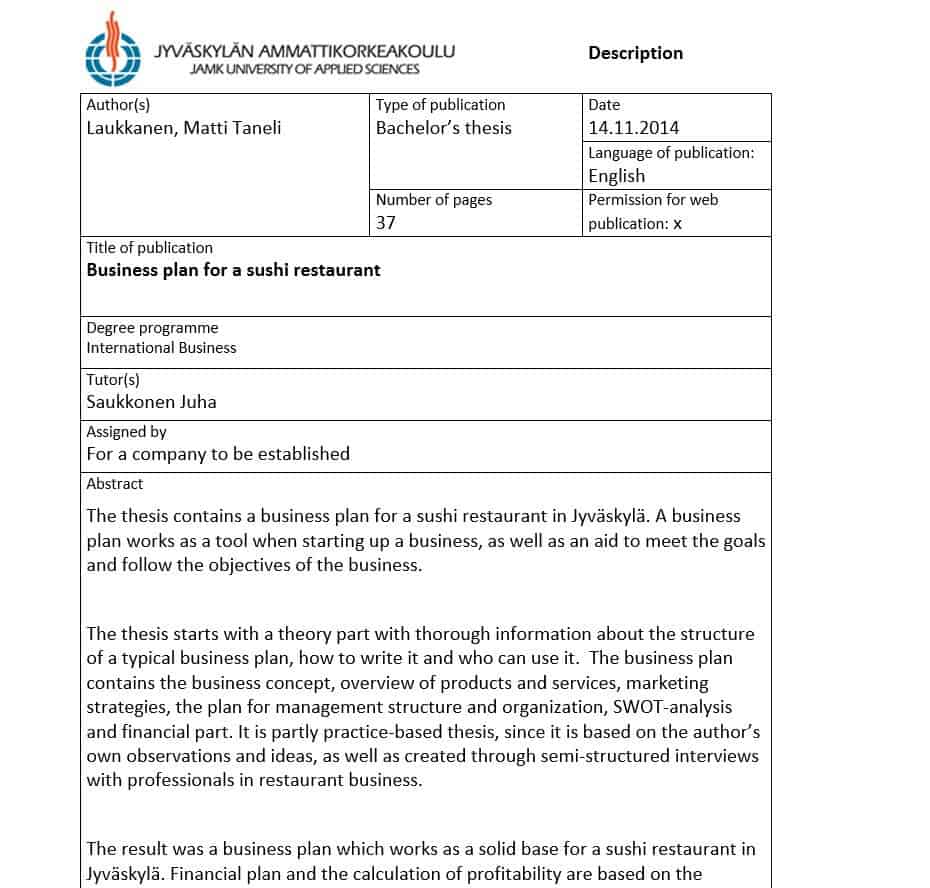
Small Restaurant Business Plan Template
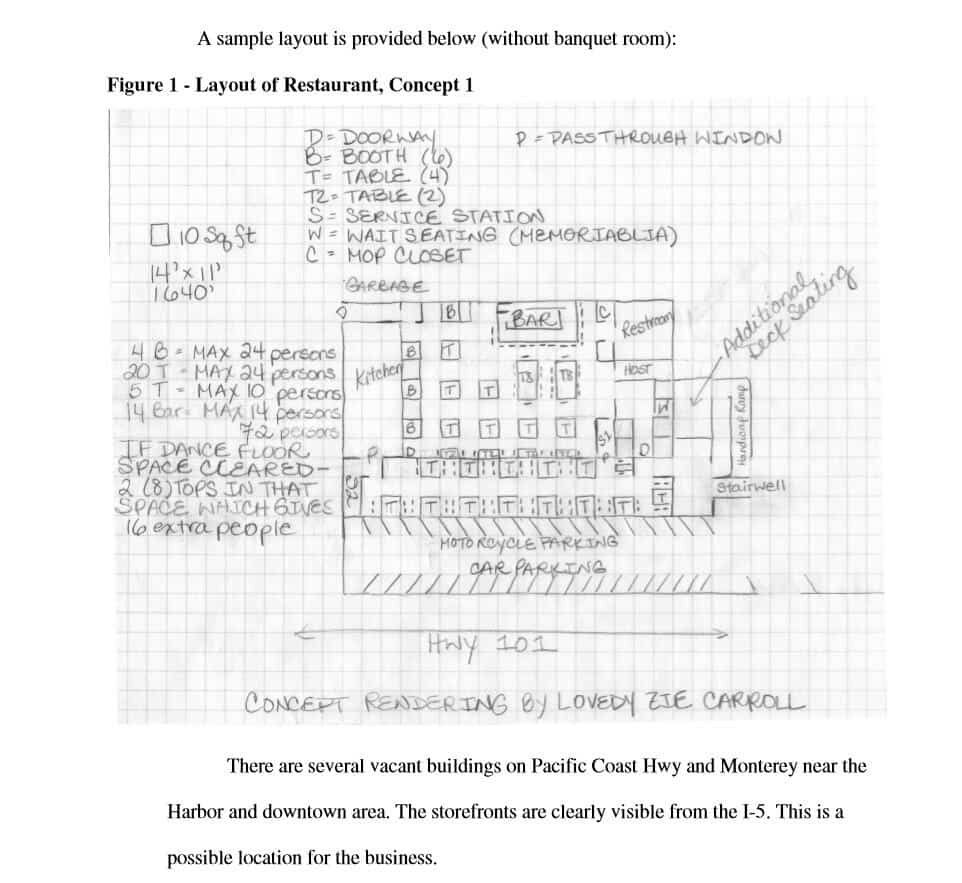
Detailed Restaurant Business Plan Layout Template
Sample Small Food Business Plan Template
Pritnable Restaurant Business Plan PDF Template
Standard Restaurant Business Plan Template PDF
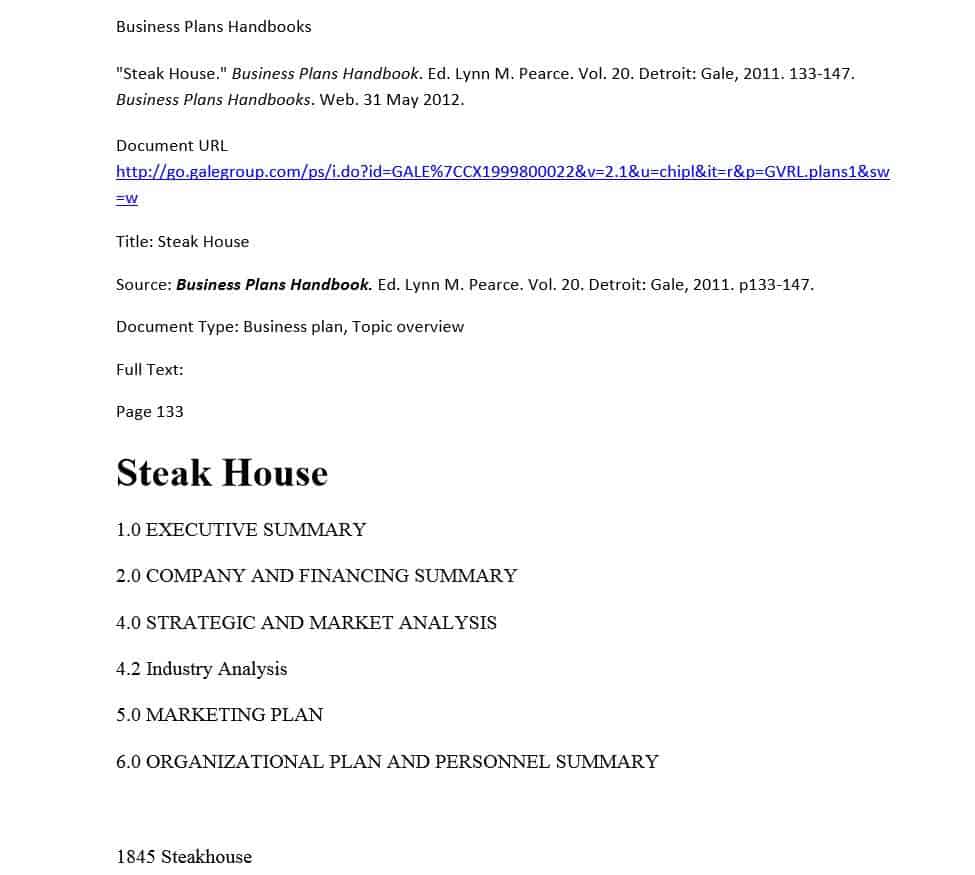
Organic Restaurant Business Plan Template
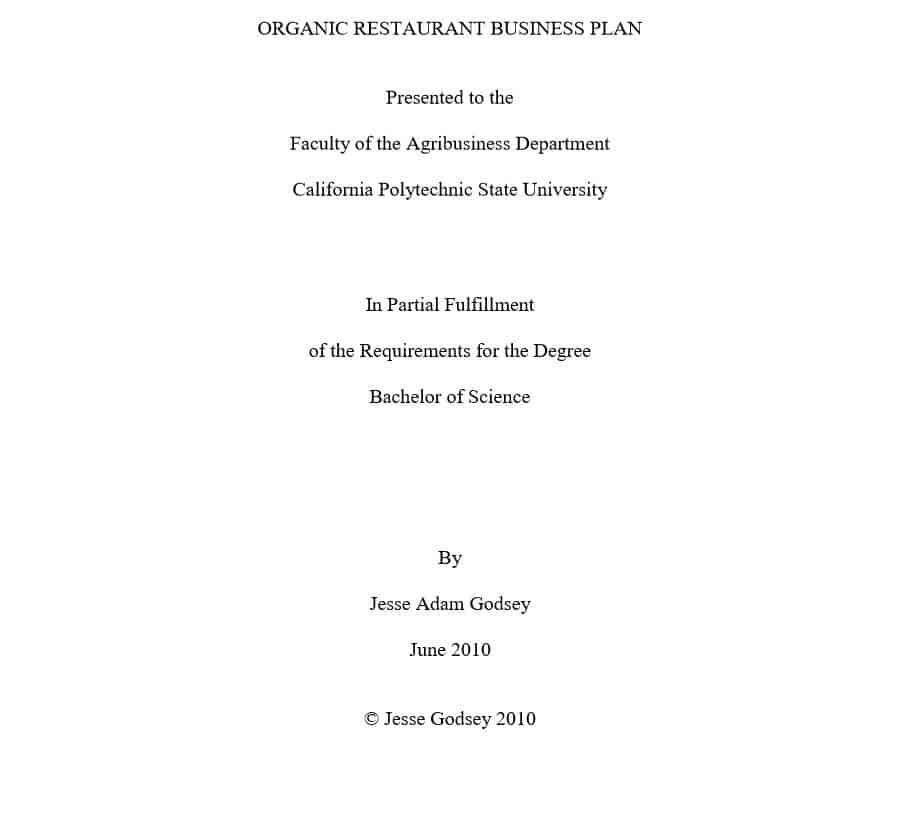
Restaurant Business Plan Templates WORD
Online Restaurant Business Plan Template
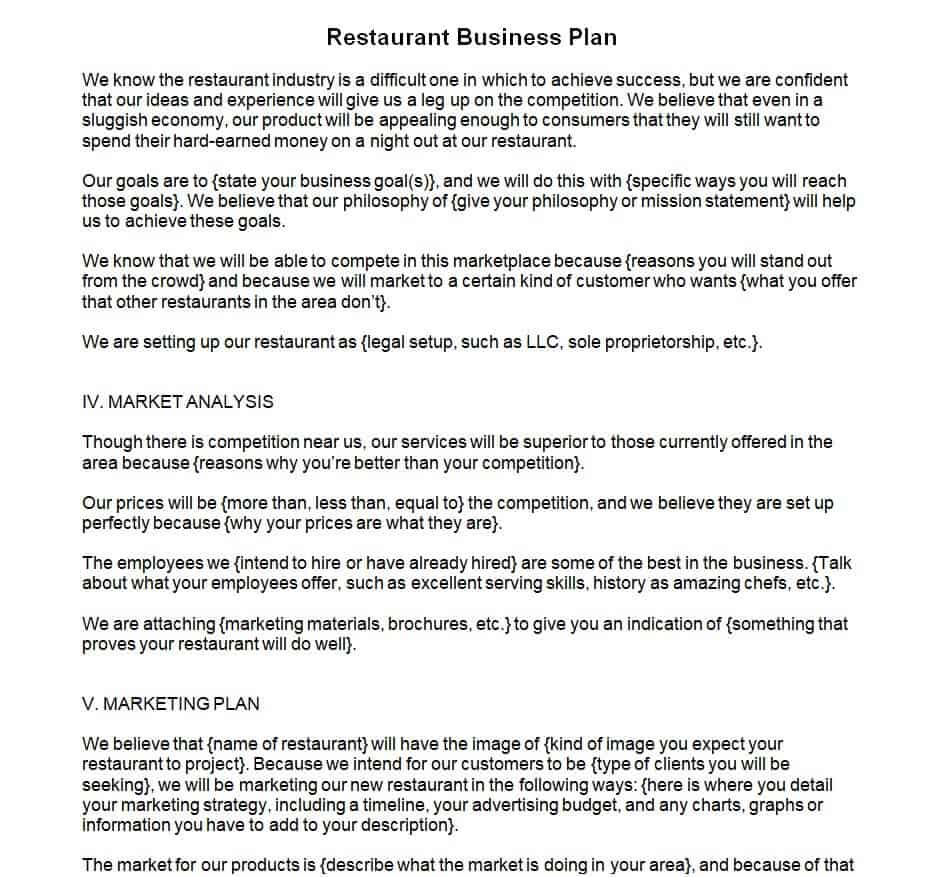
Executive Restaurant Business Plan Template
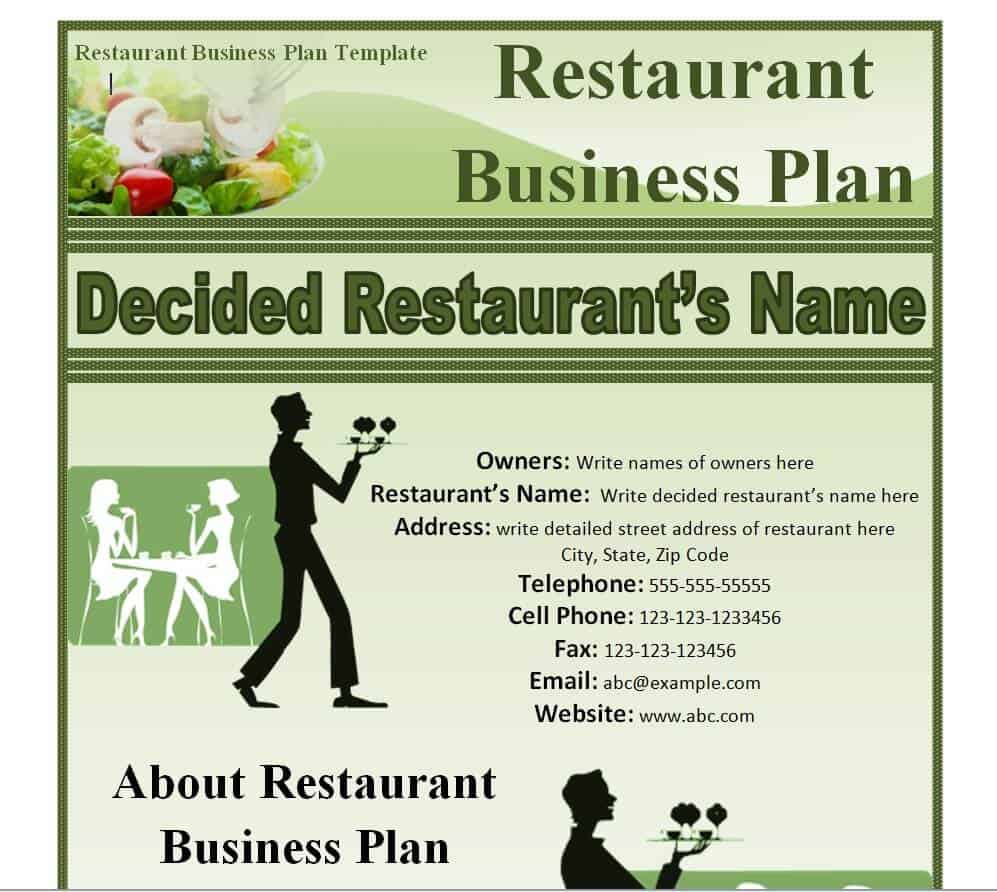
Example Restaurant Business Plan Template
Practical Restaurant Business Plan Template
Restaurant Business Plan WORD Template
How to Fill Out a Restaurant Business Plan Template
Once you have downloaded one of the templates above, working through it in the right order makes the process much faster:
- Write the concept and menu section first, since every other section depends on knowing what the restaurant will actually serve and who it is for.
- Research the local market next: visit competing restaurants, note their pricing, and estimate the population and foot traffic near your chosen location.
- Build the financial projections using real supplier quotes, local lease rates, and realistic staffing costs rather than rounded guesses.
- Draft the marketing and operations sections around the concept and budget you have already defined, so every claim is backed by a number elsewhere in the plan.
- Write the executive summary last, even though it appears first in the finished document, so it accurately reflects everything that follows it.
- Proofread the whole plan for consistency, making sure the numbers in the summary match the numbers in the financial section exactly.
Common Mistakes to Avoid
The most frequent mistake is filling in financial projections with optimistic, rounded numbers instead of figures pulled from actual quotes, lease terms, and comparable restaurants. Lenders and investors read dozens of these plans and notice immediately when revenue projections have no supporting research behind them. A second common mistake is skipping market research entirely and assuming a concept will succeed simply because the owner likes it; a plan needs to show real evidence of local demand, not just personal enthusiasm. Many owners also underestimate startup costs by leaving out permits, kitchen equipment maintenance, insurance, and the cash reserve needed to cover the first few slow months. Finally, plans that are too long or repeat the same points in different sections tend to lose the reader; every section should add new information rather than restate the concept again.
Practical Tips for Using Your Business Plan
A restaurant business plan is not a document you write once and file away. When pitching investors, lead with the executive summary and be ready to walk through the financial projections in detail, since that is usually where the questions concentrate. For a bank loan or SBA application, attach supporting documents such as lease agreements, supplier quotes, and personal financial statements alongside the plan itself, since lenders will cross-check the numbers against them. It also helps to revisit and update the plan every six to twelve months once the restaurant is operating, comparing actual revenue and costs against the original projections so the document stays useful for future funding rounds, a second location, or an annual review with business partners.
Frequently Asked Questions
How long should a restaurant business plan be?
Most lenders and investors expect somewhere between 10 and 20 pages, including the financial projections and any supporting charts. A concept pitched to a single investor can be shorter, while a full SBA loan application often runs longer once supporting documents are attached.
Can I use the same template for a food truck or a cafe?
Yes. The core sections, such as concept, market analysis, and financial projections, apply to any food service business. You will simply adjust the operations section to reflect a smaller footprint, different equipment, and a different staffing model than a full-service restaurant.
Do I need a business plan if I am not seeking a loan?
Yes, it is still worth writing one. Even a self-funded restaurant benefits from the market research and financial projections, since they help confirm the location and pricing can realistically cover costs before money is spent on a lease or equipment.
What format do lenders prefer, PDF or Word?
Either is generally accepted. A Word template is easier to edit as your numbers change, while a PDF is often preferred for the final version you submit to a bank or investor, since it keeps the formatting consistent across devices.