
A progress report is a document that indicates the development of a person, event, or project. Using the given-below free Progress Report Templates will be very easy and quite helpful for you. A progress report is another form of assessment of something.
A progress report may be required by your boss or client to show the current situation of the running project, process, or any other task. Providing this information via a progress report can help your boss assist you with staff, budget, support, and guideline regarding the project or task. Progress reports are often used by some high schools to find out the eligibility of students in studies and in extracurricular activities as well.
You should provide all important information about the project like what you have been accomplished and what is still pending while you writing a progress report. If you need help in this regard, you should browse the internet for more useful tips and guidelines. It will be very useful to use a pre-made progress report template.
Progress means the achievement of a person after struggling such as an integrated and systematic approach to the analysis and planning of development process, the working out of development strategy based on recognition of the conditions for dynamic growth. The users of this report are project managers, clients, and shareholders.
The leader of the group has to produce a progress report at the end of each financial year for informing the shareholders how successful the company has been. Progress reports are used by management to determine whether changes are necessary to an ongoing effort or not. An assessment that takes place during a project or process, that conveys details such as what sub-goals have been accomplished, what steps were taken for finding resources, what problems have been solved, the date and time of completing a project.
All of these given-below progress report templates are in Microsoft Word format which means you can easily edit and customize any of the given below samples for your personal use.
What to Include in a Progress Report
A clear progress report usually opens with a short summary of the project or task and the reporting period it covers, so the reader immediately knows what they are looking at and when. It should then list the goals or milestones that were set for that period, followed by what has actually been completed, using specific and measurable language rather than general statements. A well-rounded report also notes any obstacles or delays encountered, along with how they were or will be addressed, and closes with a look ahead at what is planned for the next reporting period. Depending on the setting, you may also want to include a budget or resource update, since managers and clients often care as much about spending and staffing as they do about the work itself.
How to Write a Progress Report Step by Step
Start by gathering the facts before you write a single sentence: pull up your task list, notes, or project tracker and note exactly what was finished, what is in progress, and what has not been started yet. Open the template that matches your situation, whether that is a school, business, research, or project-based format, and replace the placeholder names, dates, and project title with your own details. Write the accomplishments section first, using short, specific bullet points rather than long paragraphs, since most readers skim a progress report rather than reading it word for word. Follow with a section on challenges or risks, being honest about anything that is behind schedule, and finish with clear next steps so the reader knows what to expect before the next update. Read through the finished report once more to remove any repeated phrases or filler sentences before sending it out.
Tips for Writing an Effective Progress Report
Keep the tone factual and specific instead of vague, since a line like “made good progress” tells the reader far less than “completed three of five planned modules.” Use consistent formatting across every reporting period so that whoever reads the report regularly can compare one update to the next without confusion. Match the level of detail to your audience: a report going to a direct supervisor can include more technical detail, while one going to a client or a parent may need a plainer, higher-level summary. Finally, send the report on a predictable schedule, whether that is weekly, monthly, or at fixed project milestones, since consistency builds trust even when the news in a particular report is not entirely positive.
Check Out the Given Progress Report Templates:
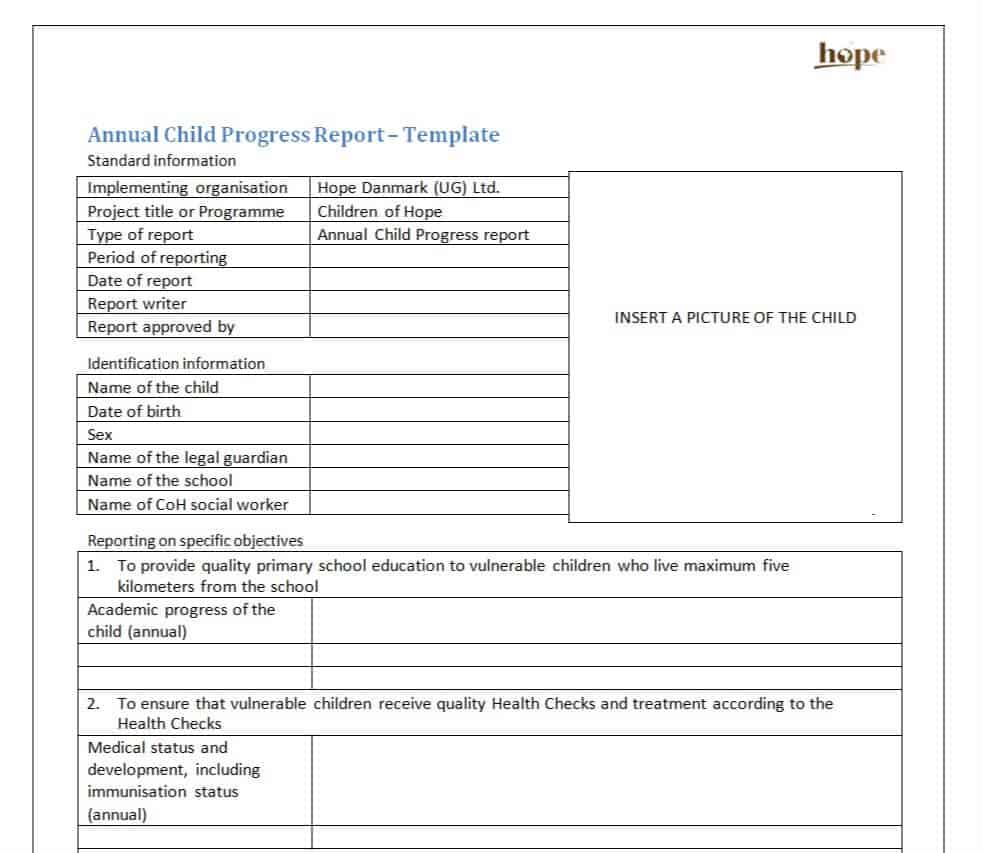
Annual Child Progress Report Template
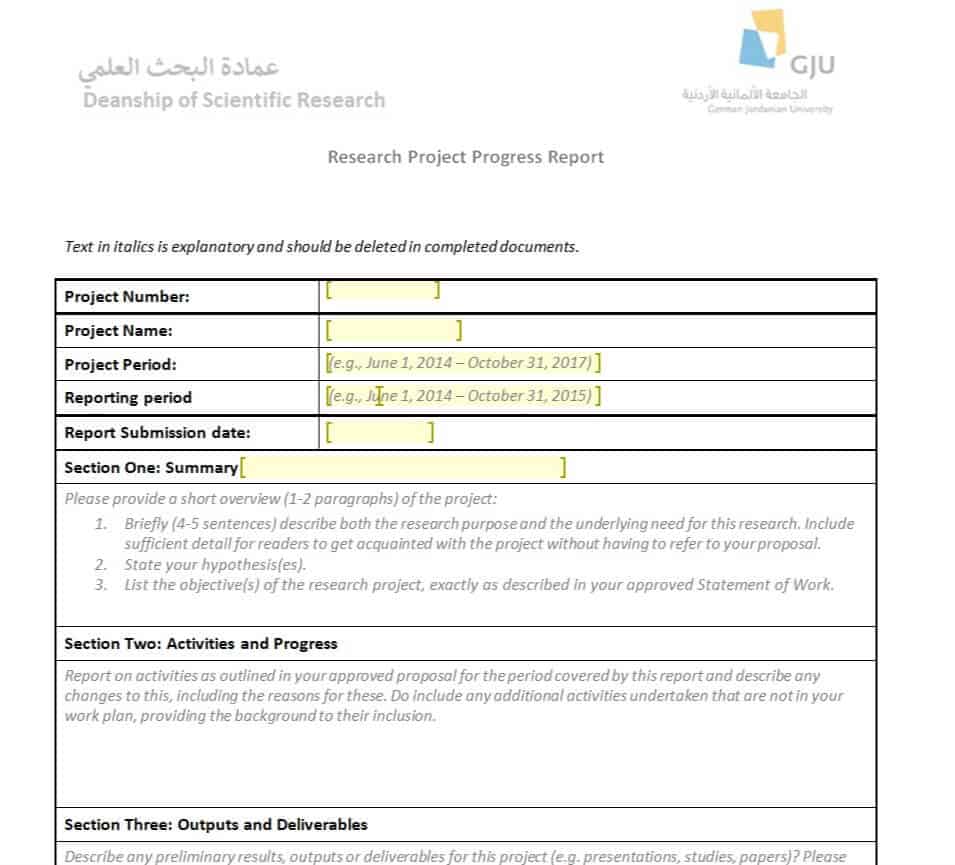
Research Progress Report Template
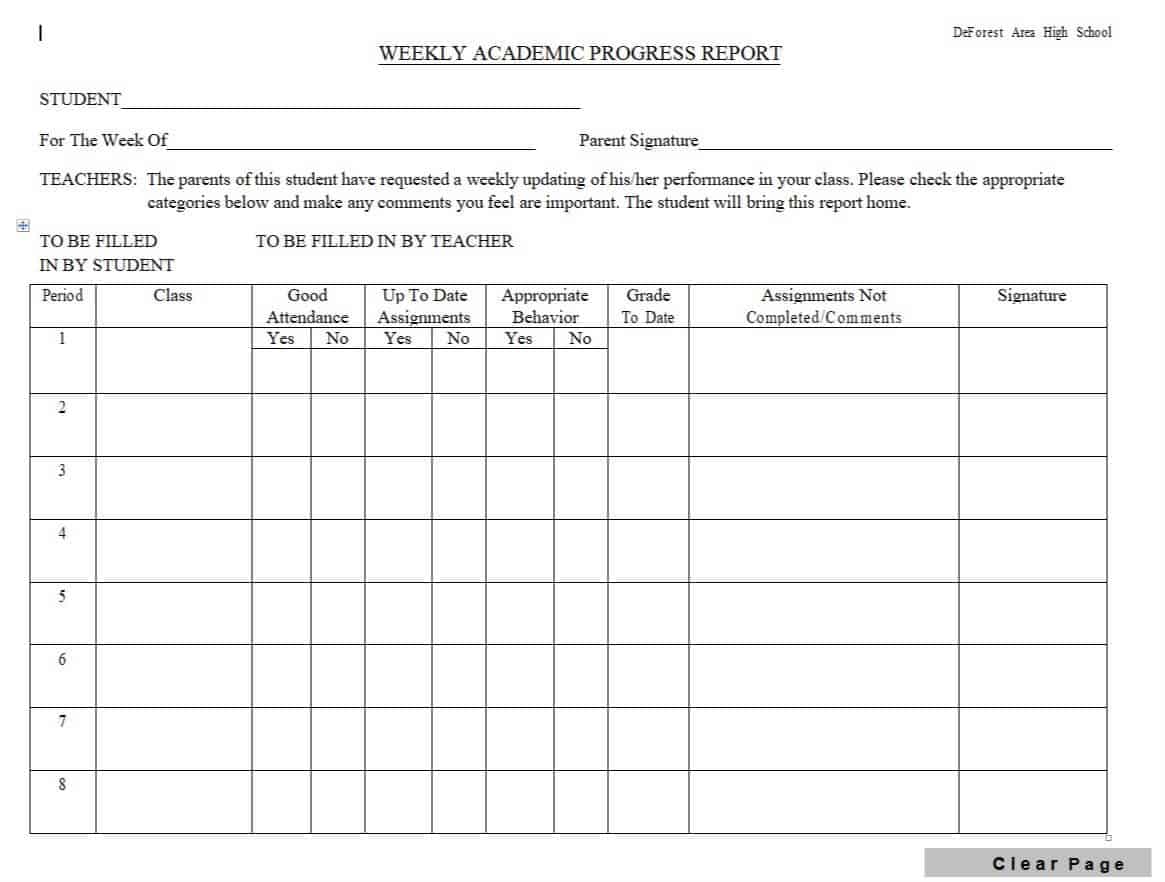
Weekly Academic Progress Report Template
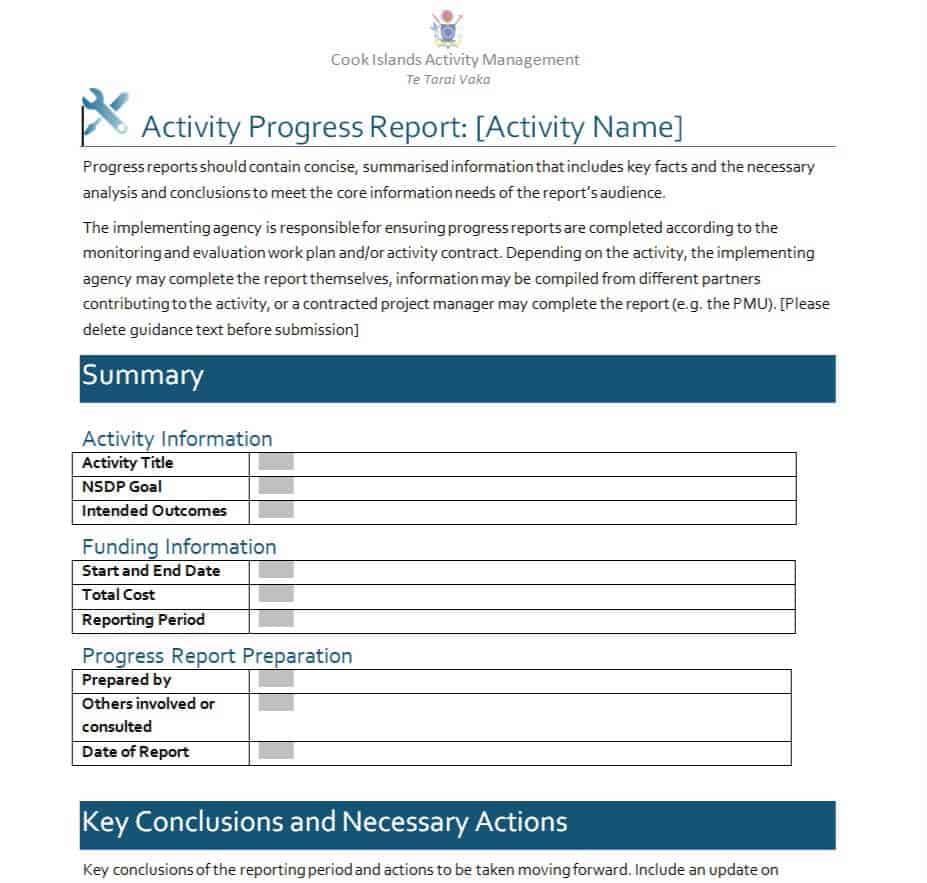
Activity Progress Report Word Template
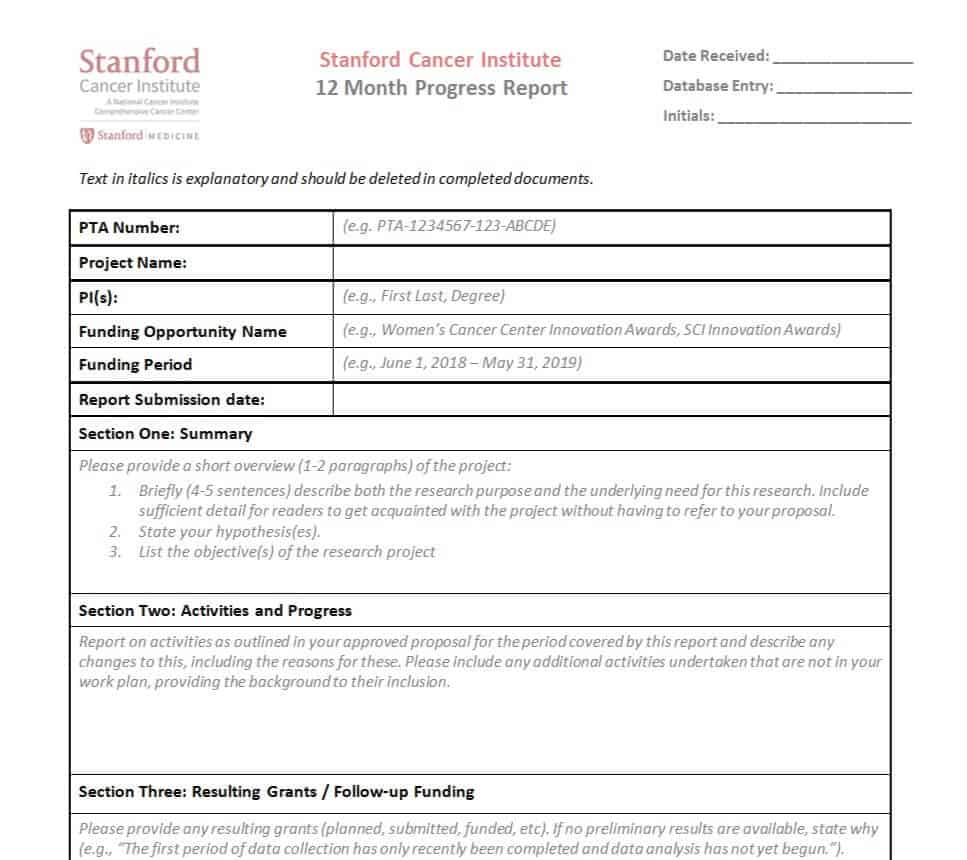
Cancer Institute’s Progress Report Template
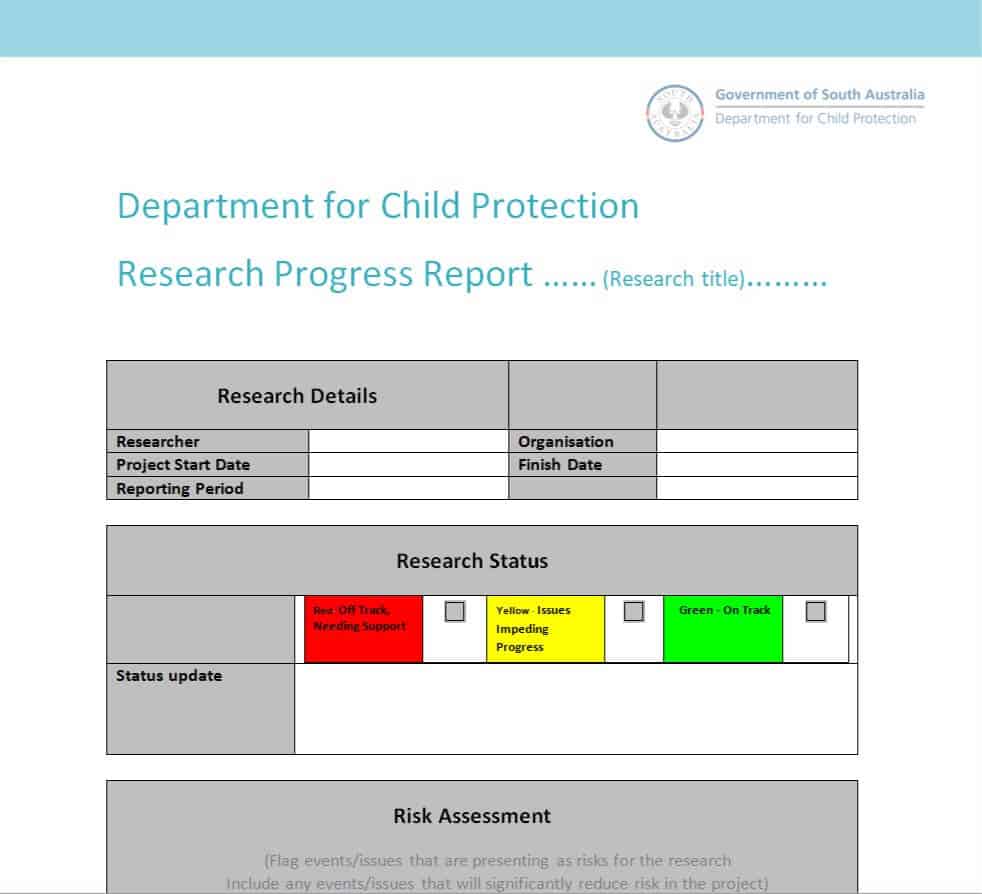
Government Project’s Progress Report Template
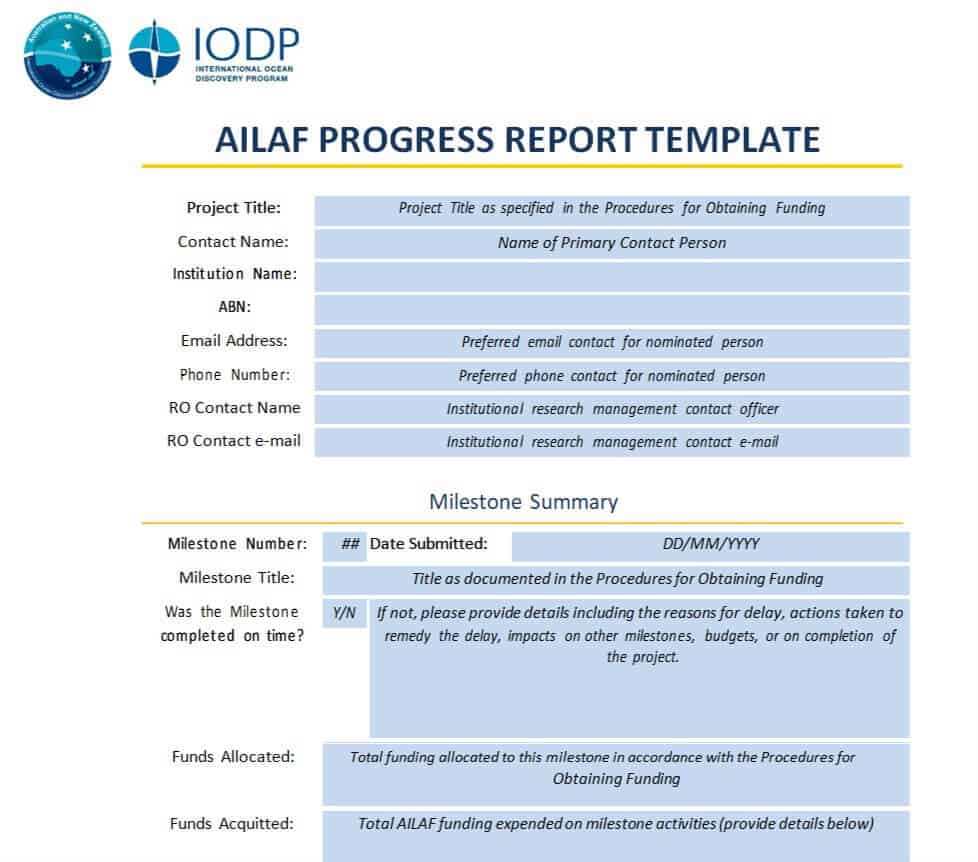
Official Progress Report Template WORD
Daily Progress Report Template
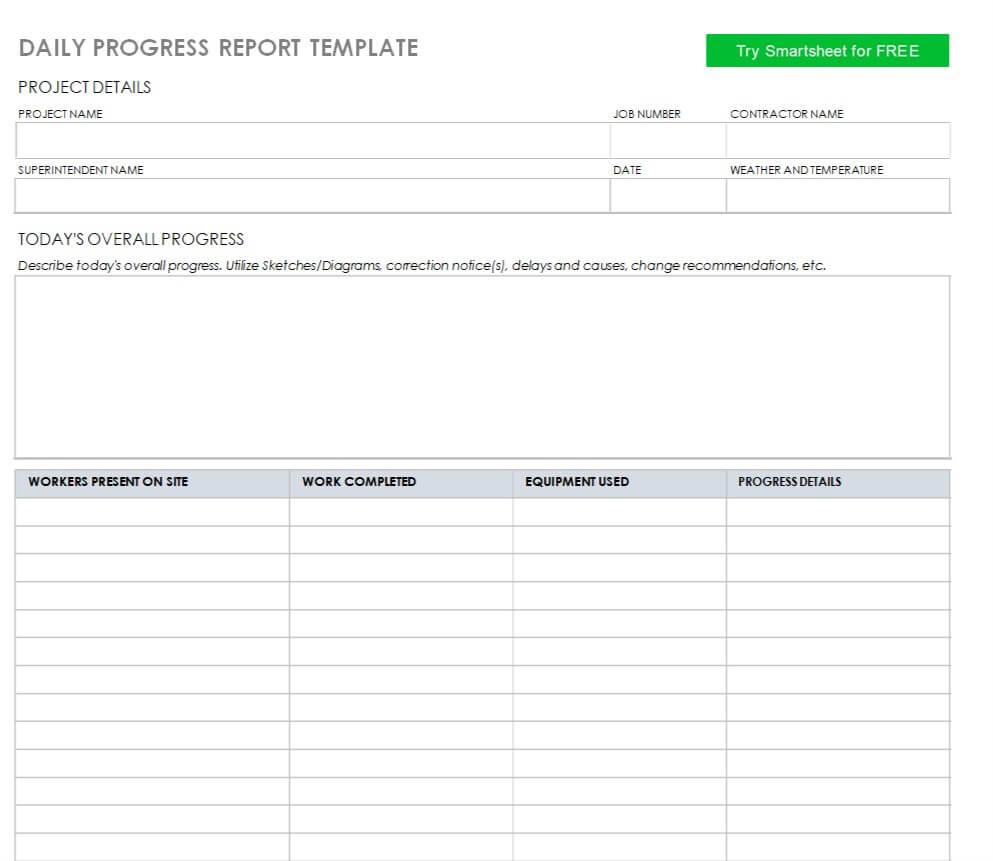
FREE Company’s Progress Report Template
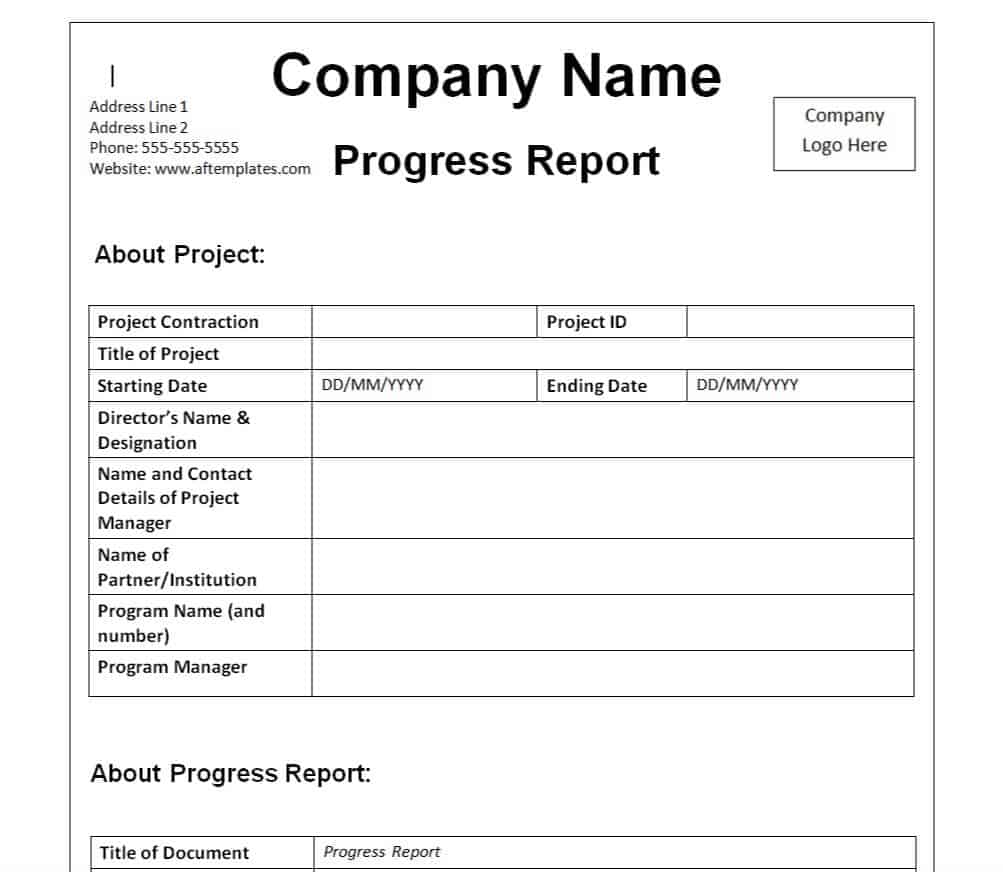
Online Progress Report Maker Template

Dance Movement Therapy Progress Report Template

Sample Project Progress Report Template
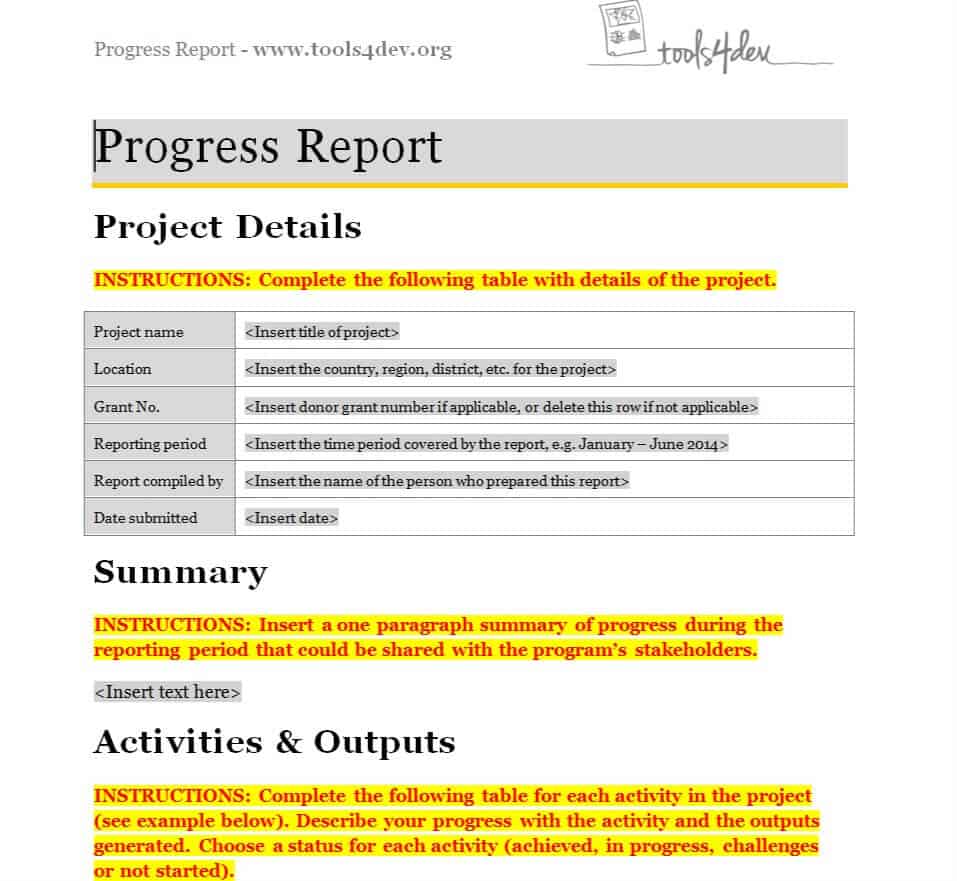
Detailed Progress Report Template DOC Format
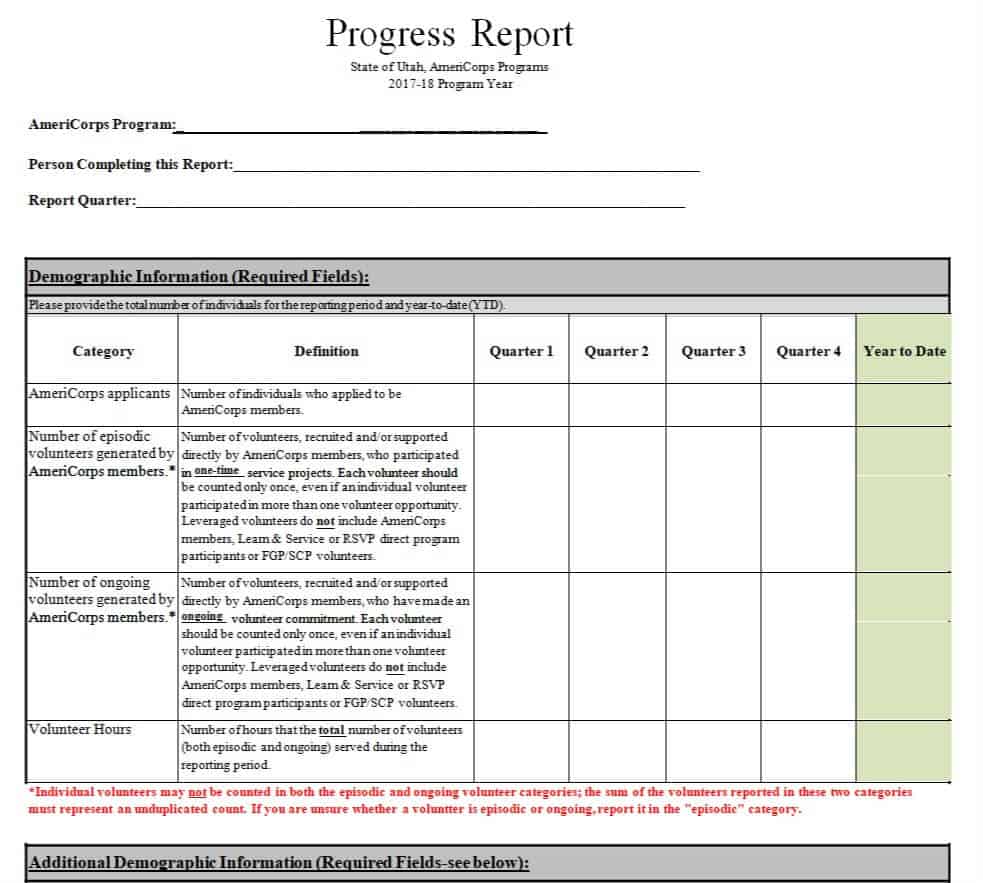
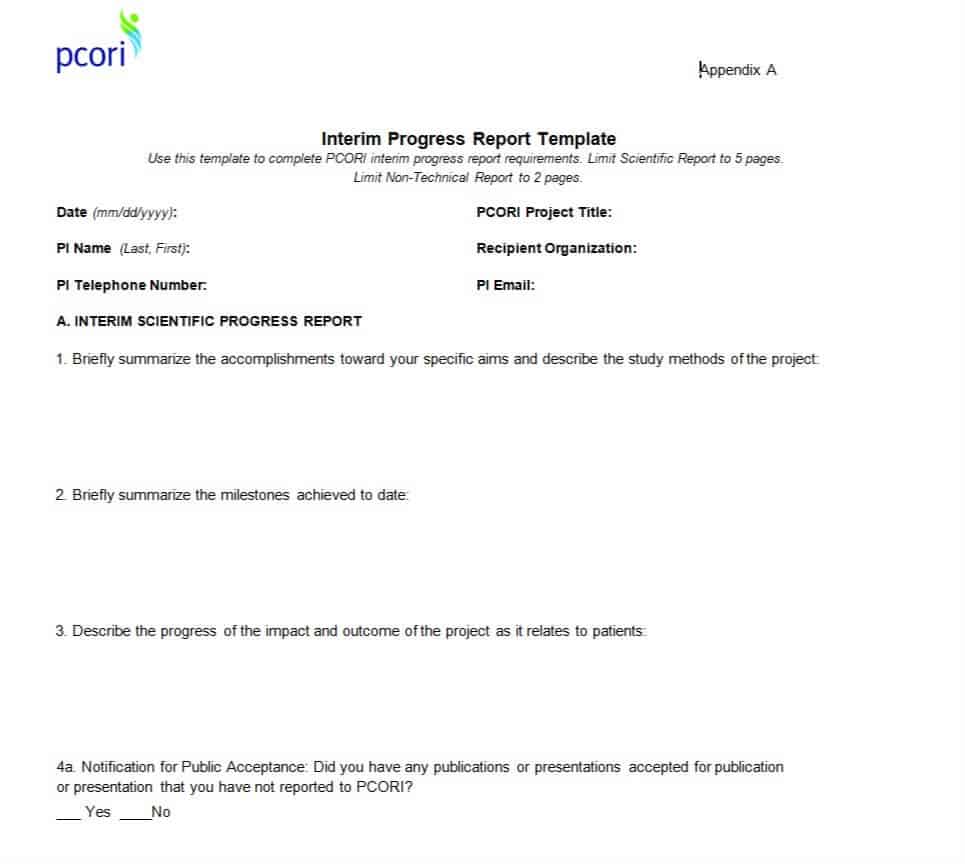
Interim Progress Report Template
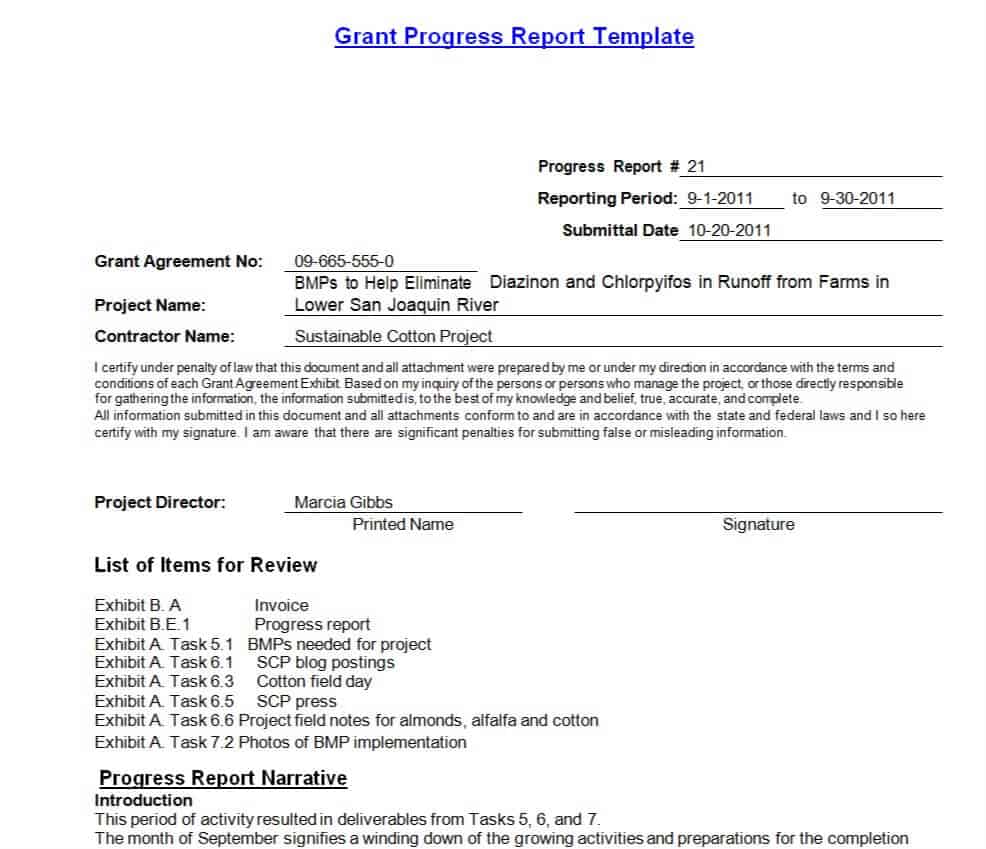
Grant Progress Report Template
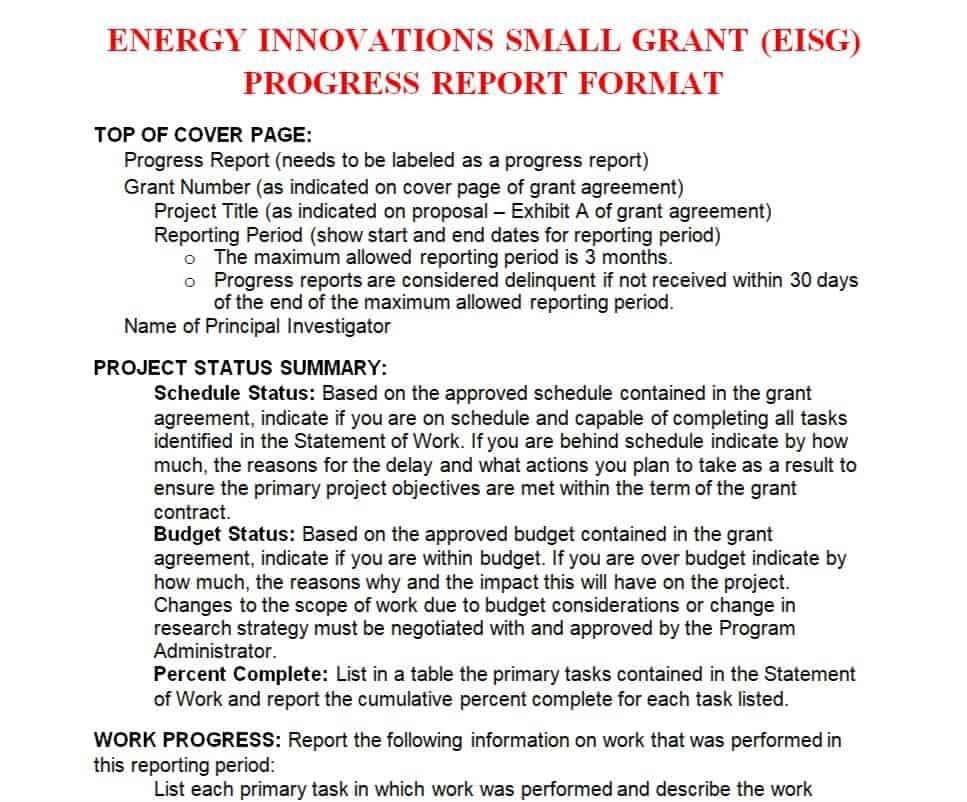
Small Business Progress Report Template
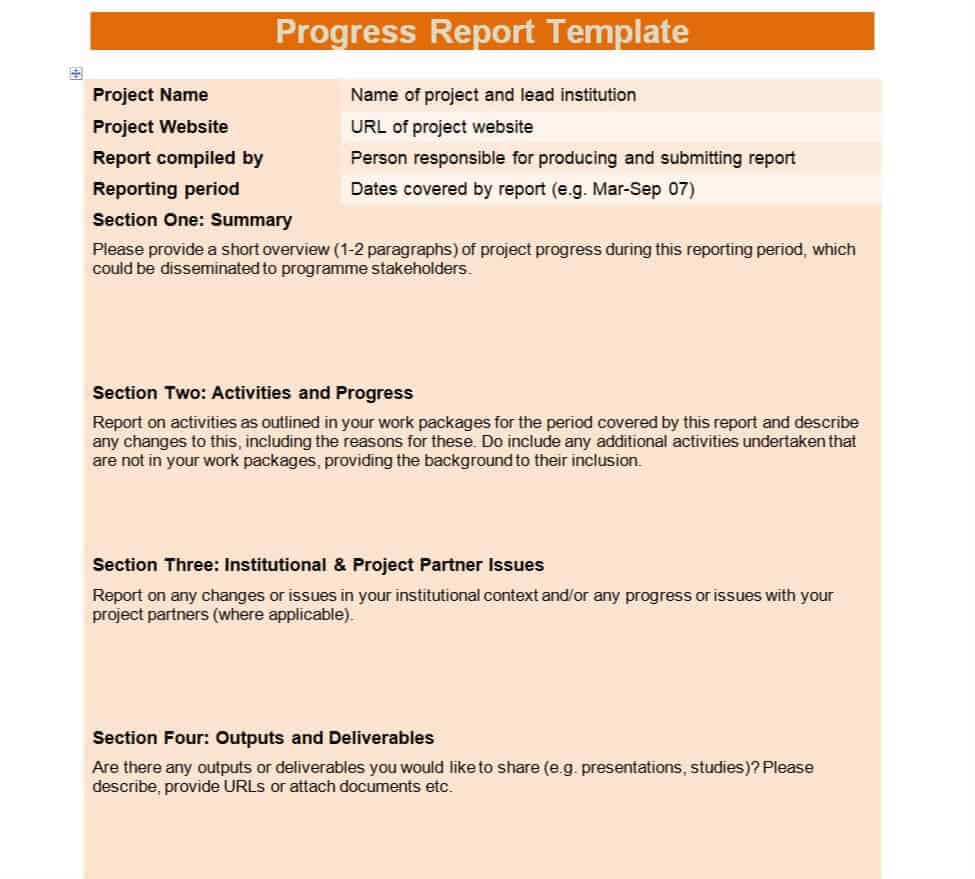
Formal Progress Report Template
Common Mistakes to Avoid in a Progress Report
One frequent mistake is writing a progress report that only lists tasks without connecting them back to the original goals, which leaves the reader unsure whether the project is actually on track. Another is burying bad news or delays instead of stating them plainly, since a manager or client who is surprised later tends to trust future reports less. Avoid using the exact same wording in every report, since copying and pasting the previous update without real changes signals that little actual progress was reviewed. Do not skip the next-steps section, as a report that only looks backward gives the reader no sense of what happens next. Finally, watch for reports that run far longer than necessary; padding a report with unnecessary detail makes it harder to find the information that actually matters.
Frequently Asked Questions
How often should a progress report be submitted?
This depends on the project, but weekly reports work well for fast-moving tasks, while monthly reports suit longer projects with slower milestones. Some projects also call for a report at each major phase or deliverable instead of a fixed schedule.
Who is the typical audience for a progress report?
Audiences vary by setting and include supervisors and project managers in a workplace, clients or stakeholders on a contracted project, teachers or school administrators for a student’s academic progress, and funders or grant committees for research and nonprofit work.
How long should a progress report be?
Most progress reports fit comfortably on one to two pages. A short, well-organized report that highlights the key facts is almost always more useful than a long one padded with unnecessary background information.
Can I reuse the same progress report template for different projects?
Yes. The core structure of goals, accomplishments, challenges, and next steps applies to most projects, so you can reuse a template and simply update the details, timelines, and specific milestones each time.