

A document used for introduction and attached to the curriculum vitae is known as a cover letter. The purpose of a cover letter is to introduce an individual to an employer. To help you make such letters for your use, the free word Cover Letter Templates are added here to our collection of free letter templates. Use these editable Cover Letter Templates to make professional-level cover letters.
The cover letter includes the person’s name, the person’s current status and explains the suitability for the desired position. Cover letters are used with many business documents such as loan applicants, contracted drafts, proposals, and executed documents. The cover letter may be served to catch the interest of the reader. Cover letters are of three types.1-the applicant letter (which is written in response to a known job opening)2-prospecting letter(which inquires about possible positions)3-networking letter( which requests information and assistance in the sender’s job search. Employers may look for individualized and thoughtfully written cover letters as one method of screening out applicants who are not sufficiently interested in their position or who lack the necessary basic skills. The purpose of the cover letter is to give a brief introduction about the job seeker to the person collecting the curriculum vitae.
What Is a Cover Letter and Why It Matters
A cover letter is a one-page introduction that sits alongside your resume and explains, in your own words, why you are applying and why you fit the role. Where a resume lists dates, titles and duties in a fixed format, a cover letter lets you connect the dots for the reader: which of your past achievements are most relevant to this specific job, how your experience solves the hiring manager’s problem, and why you want to work at this particular company rather than any company. Recruiters often decide whether to read a full resume based on how the cover letter opens, so it functions as both an introduction and a filter. Pairing a strong resume with a weak or generic cover letter routinely costs candidates interviews they were otherwise qualified for.
Who Needs a Cover Letter
Cover letters are useful for almost anyone applying to a job, not just first-time applicants. Job seekers responding to an advertised opening use one to show they read the posting carefully and match its requirements. Career changers rely on a cover letter to explain a shift in direction that a resume alone cannot justify, connecting transferable skills from a previous field to the new role. Students and recent graduates, who typically have a short work history, use the cover letter to highlight coursework, internships, projects and soft skills that a thin resume would otherwise underplay. Freelancers and contractors use it to pitch a specific engagement, and even internal candidates applying for a promotion often attach a short cover letter to make the case for why they are ready for more responsibility.
Key Elements of a Strong Cover Letter
Every effective cover letter shares the same basic structure, regardless of industry. The header carries your name and contact details, matched visually to your resume so the two documents read as one application package. The greeting should be addressed to a named hiring manager whenever that name can be found, rather than a generic “To Whom It May Concern.” The opening line is the hook: a single sentence that states the role you want and one concrete reason you are a strong fit, written to earn the next sentence rather than restate your job title. The body, usually two to three short paragraphs, proves that fit with specific, measurable examples pulled from past work rather than a list of adjectives. The closing restates your interest, points to your resume and attachments, and ends with a clear call to action, such as asking for an interview or a conversation.
Get Word Cover Letter Templates Here
Simple Cover Letter Template
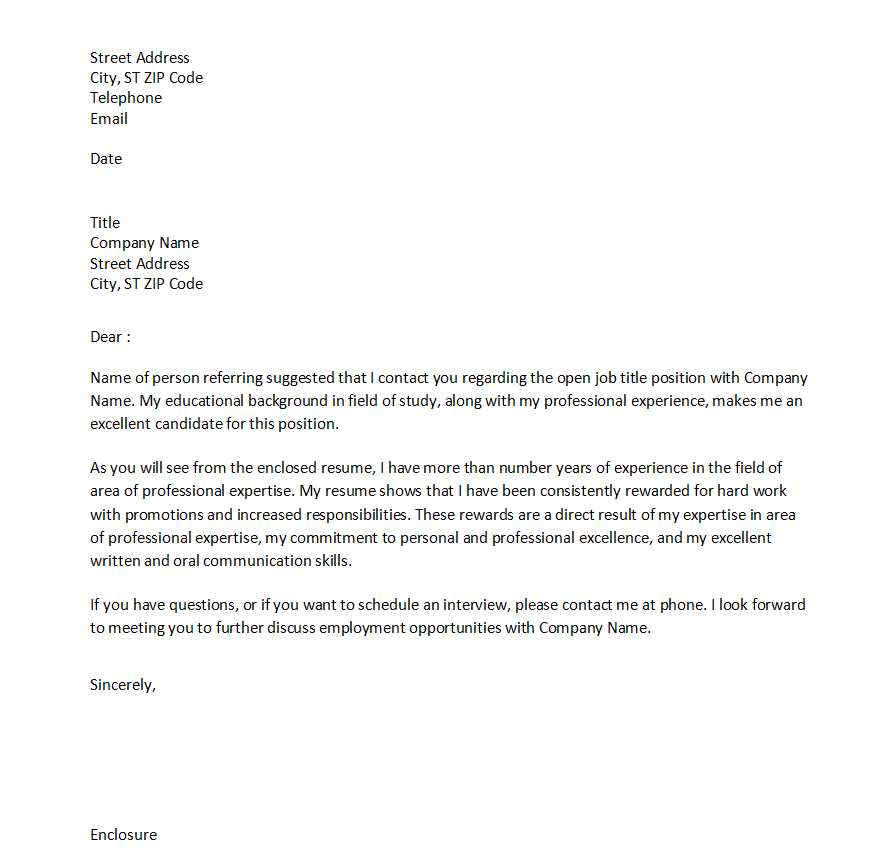

Official Cover Letter Word Template
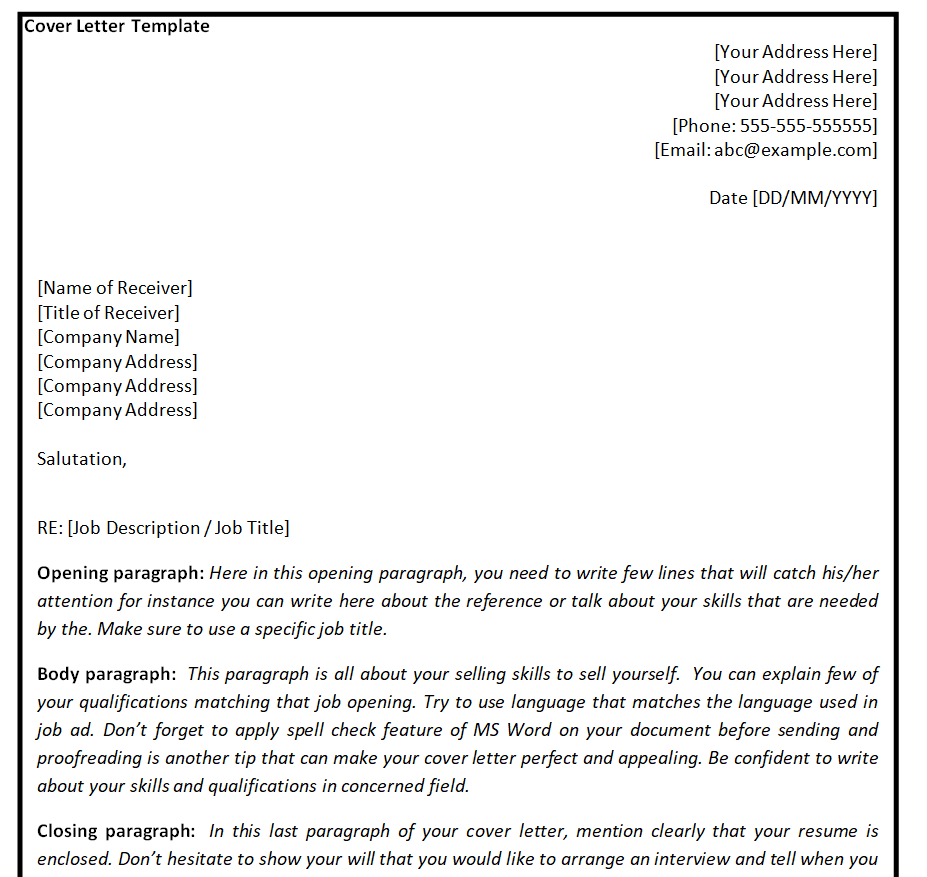
Professional Cover Letter Template
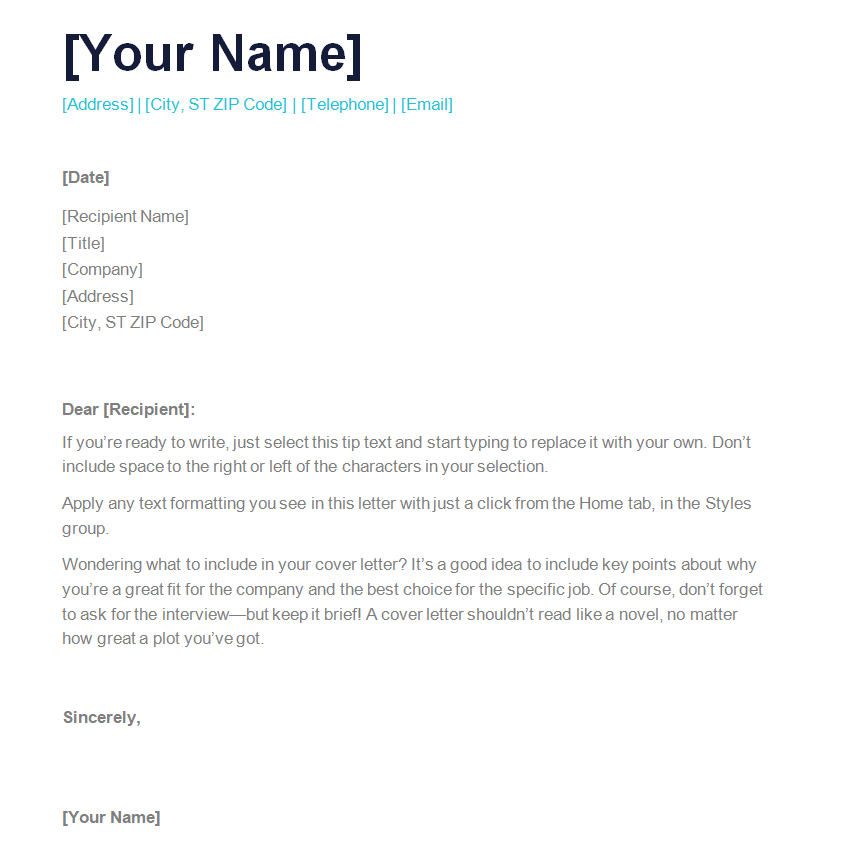
Free Customizable Stylish Cover Letter Template
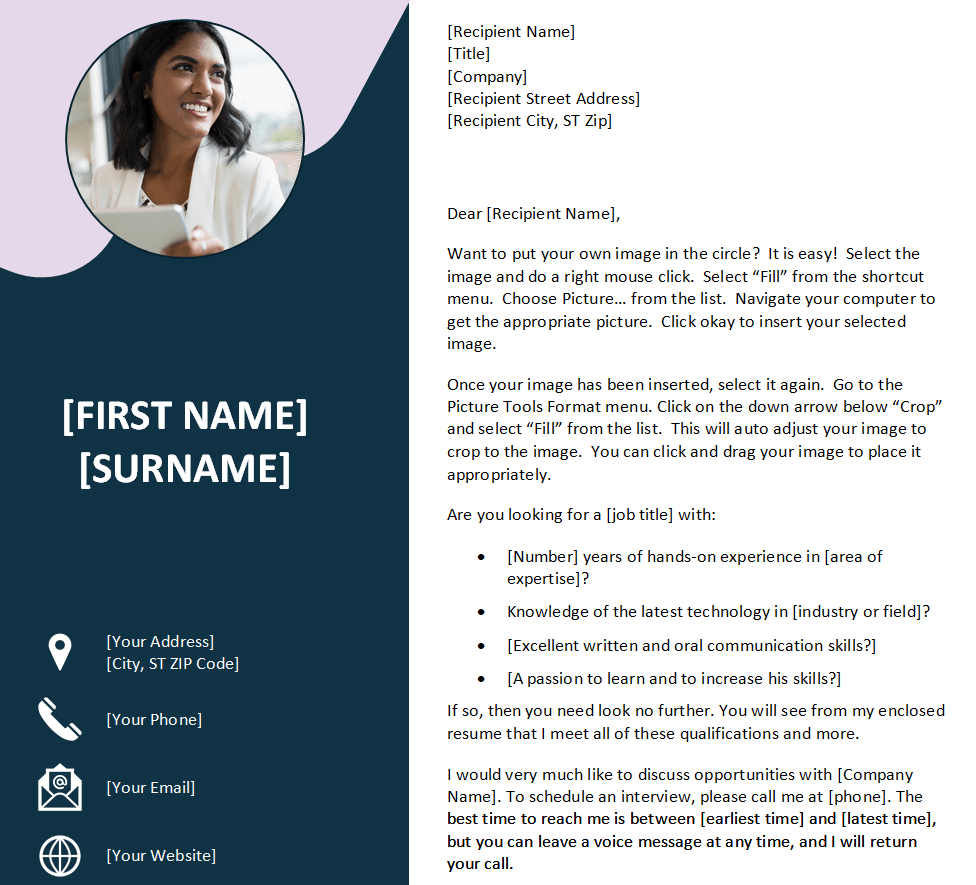
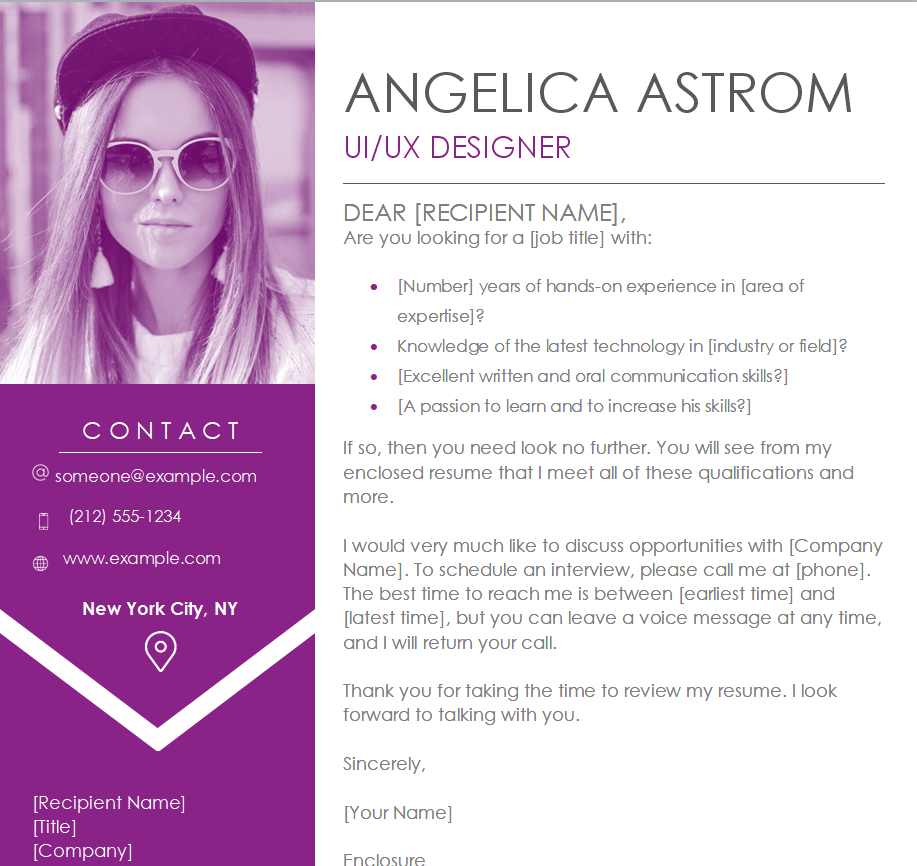
Cover Letter Template for a UI/UX Designer in MS WORD
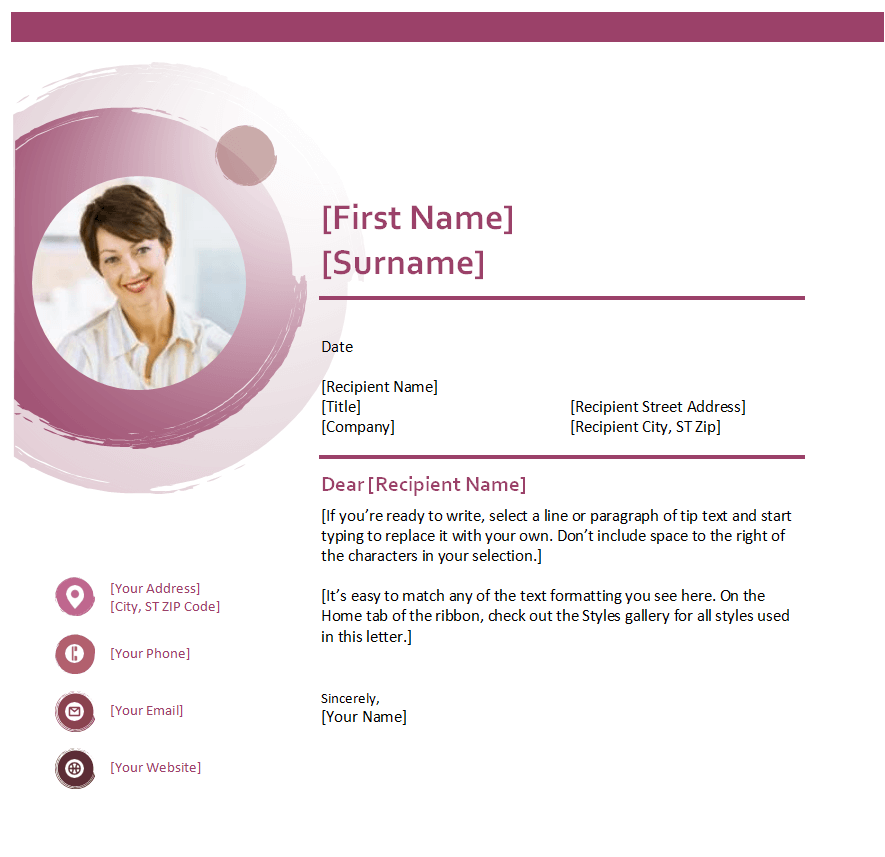
Executive Formal Cover Letter Word Template
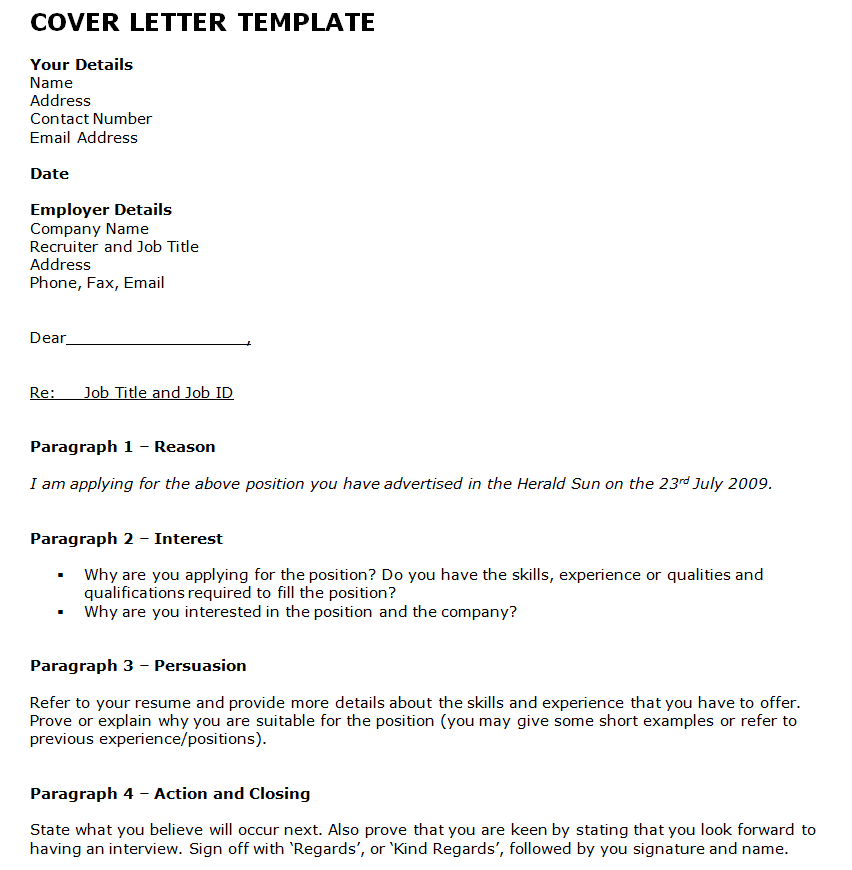
Sample Cover Letter Template Doc
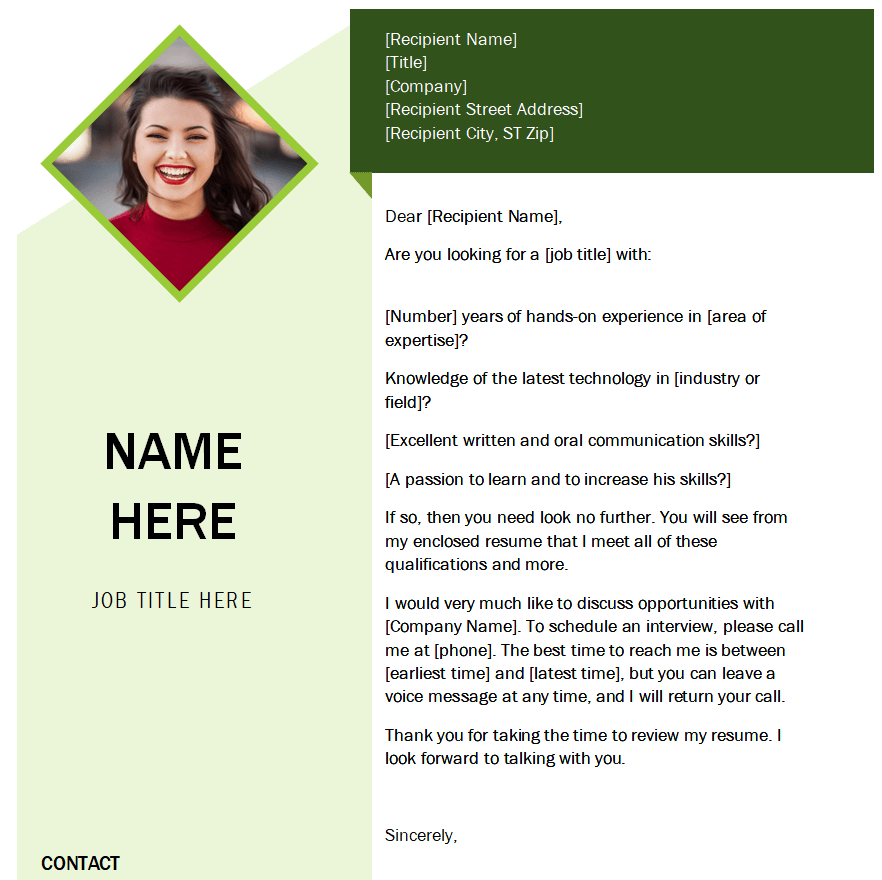
Free Editable Cover Letter Sample Doc
How to Customize These Word Templates for a Specific Job
Each template above is a Microsoft Word (.docx) file, so it opens directly in Word, Google Docs or LibreOffice Writer for editing. Start by opening the job posting in a separate window and re-reading it once before you touch the template, so the requirements are fresh in mind.
Step 1: Replace the placeholder header. Swap in your name, phone number, email address and city, and delete any sample text left in the template’s header block.
Step 2: Personalize the greeting. Search the company’s website or the job listing for the hiring manager’s name. If none is listed, address the letter to the department or team rather than leaving the template’s placeholder name in place.
Step 3: Rewrite the opening line. Name the exact job title and company, and mention one qualification from the posting that you meet, so the letter cannot be mistaken for a form letter sent to multiple employers.
Step 4: Match the body to the job description. Pick two or three requirements from the posting and replace the template’s sample achievements with your own, using similar wording to the posting where it genuinely applies to you.
Step 5: Adjust formatting sparingly. These templates are already formatted to standard business-letter margins and fonts, so limit changes to font size within the existing style rather than introducing new colors or layouts that won’t match your resume.
Step 6: Proofread and export. Read the letter aloud once, run spell-check, and save a copy as a PDF for submission so formatting stays intact across different computers, while keeping the original .docx for future edits.
Common Cover Letter Mistakes to Avoid
The most common mistake is sending an unedited generic template with the placeholder company name or job title still in place, which signals carelessness before the letter is even read. A close second is restating the resume line by line instead of adding new context; a cover letter should interpret your experience, not repeat it. Typos and inconsistent formatting, such as mismatched fonts between the letter and resume, are disqualifying for many hiring managers because a cover letter is often the only writing sample they see. Letters that run longer than one page dilute the strongest points, and an overly formal or overly casual tone that doesn’t match the company’s culture can work against an otherwise qualified applicant. Finally, omitting any call to action leaves the reader without a clear next step.
Practical Tips for a Cover Letter That Gets Noticed
Mirror two or three keywords from the job description in your opening and body paragraphs; many employers scan or filter applications for this exact language before a human reads them. Keep the tone confident but conversational, avoiding both stiff corporate jargon and overly casual phrasing. Aim for 250 to 400 words, enough to make a real case without repeating the resume. Save the file using a clear name such as “FirstName-LastName-Cover-Letter.pdf” rather than the template’s default file name, and use the same font and header style as your resume so the two documents look like a matched set.
Frequently Asked Questions
How long should a cover letter be?
One page is standard. Most effective cover letters fall between 250 and 400 words across three to four short paragraphs, which is long enough to make a specific case and short enough that a hiring manager will actually read it in full.
Should I use the same cover letter for every job application?
No. Reusing one letter word for word is the fastest way for a hiring manager to spot a mass application. Keep the overall structure from a template like the ones above, but rewrite the opening line, the body examples and the company name for every job you apply to.
What file format should I submit my cover letter in?
Unless the job posting specifically asks for a .docx file, submit your finished cover letter as a PDF. A PDF preserves fonts, spacing and layout exactly as you formatted them, while a Word file can shift formatting when opened on a different computer or version of Word.
Do I need a cover letter if the job posting says it’s optional?
Yes, in most cases. When a cover letter is listed as optional, submitting a short, well-targeted one is a low-cost way to stand out from applicants who skip it, and it gives you room to explain anything the resume alone cannot, such as a career change or a gap in employment.

![14+ Special Sales Flyer Templates [PDF, WORD]](https://www.docspile.com/wp-content/uploads/2022/03/sales-flyer-template-11698705-150x150.jpg)